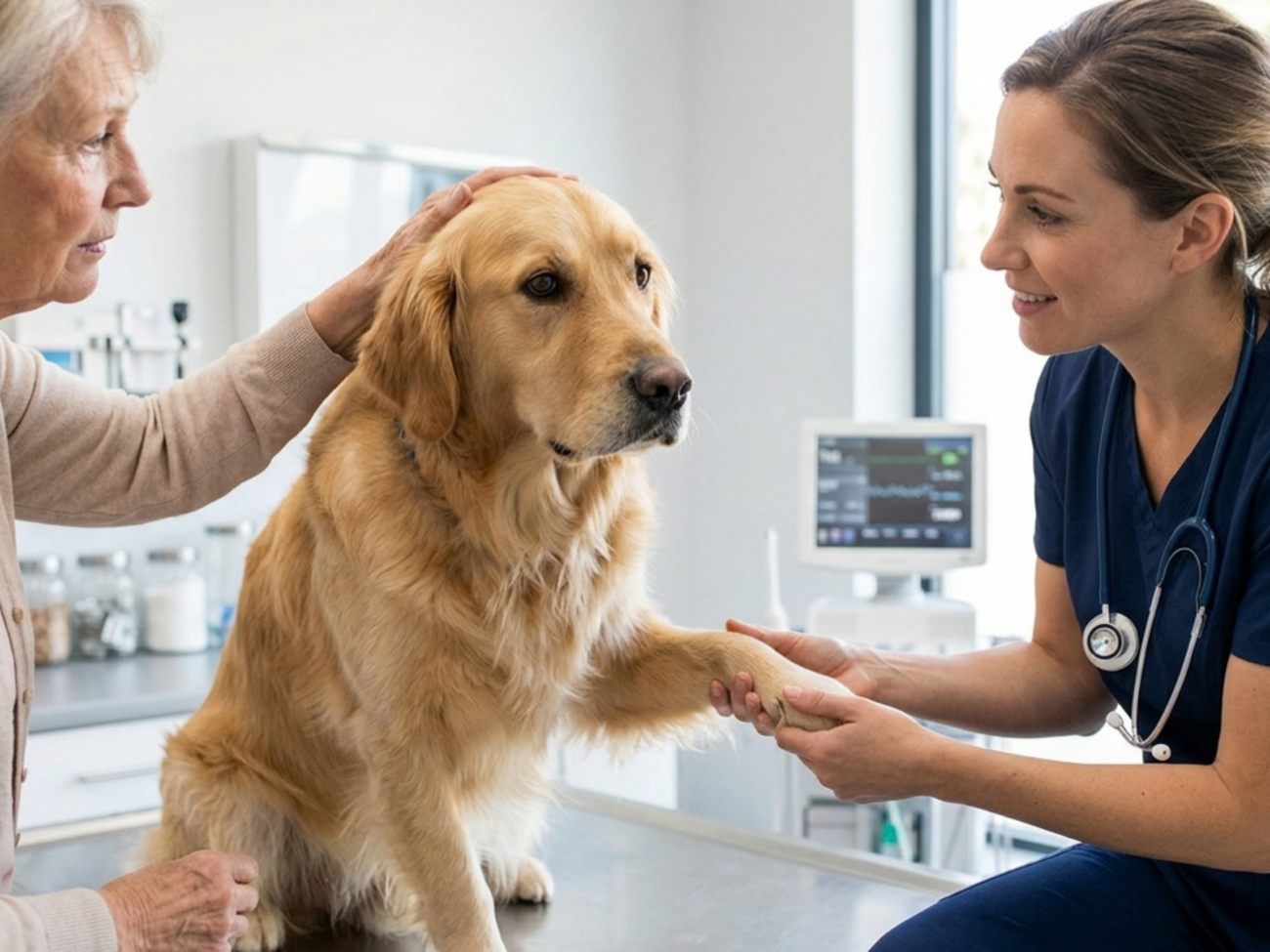
Preparing properly when you recognize signs your dog needs to see a vet helps your clinician make an accurate diagnosis.
Recognizing the key signs your dog needs to see a vet can save your pet’s life. Dogs naturally hide pain and illness as a survival instinct, meaning that by the time physical symptoms become obvious, an underlying medical issue may already be advanced.
Paying close attention to sudden changes in behavior, appetite, and mobility allows you to catch health issues early. In this guide, we will cover critical health warnings, emergency red flags, and essential steps for veterinary visits.
For more health and safety advice, read our guides on Senior Dog Care, Flea and Tick Prevention, or browse our Dog Breeds section.
Quick Summary: Urgent vs. Non-Urgent Vet Visits
| Symptom Category | Potential Cause | Urgency Level |
|---|---|---|
| Labored Breathing / Collapse | Heart Failure, Anaphylaxis, Trauma | Immediate Emergency |
| Swollen Belly & Retching | GDV / Bloat | Immediate Emergency |
| Vomiting > 24 Hours | Gastrointestinal Obstruction, Infection | Same-Day Vet Visit |
| Limping or Mild Lethargy | Joint Injury, Mild Strain | Monitor 24 Hours / Schedule Exam |
6 Signs Your Dog Needs to See a Vet
If you observe any of the following changes, contact your veterinarian promptly to determine the best course of action.
1. Sudden Changes in Appetite or Water Intake
Refusing food for more than 24 hours or experiencing extreme, uncharacteristic thirst can signal systemic illness. Increased water consumption is commonly linked to kidney disease, diabetes, or uterine infections. Puppies, small breeds, and senior dogs risk severe dehydration very quickly.
2. Continuous Vomiting or Diarrhea
While an occasional upset stomach happens, persistent digestive trouble demands medical intervention. Seek care if your dog vomits multiple times in a day, has bloody or dark tarry stool, or displays unproductive retching with a distended abdomen.
3. Lethargy and Behavioral Shifts
You know your dog better than anyone. Unexplained tiredness, hiding, sudden aggression, or confusion are often the earliest signs your dog needs to see a vet. These behavioral changes can stem from chronic pain, neurological disorders, or internal infections.
4. Limping, Stiffness, or Mobility Difficulty
Limping that lasts longer than 24 hours, reluctance to climb stairs, stiffness after rest, or sudden weakness in the hind legs indicates joint problems, arthritis, or acute injuries that require professional evaluation.
5. Respiratory Issues, Coughing, or Sneezing
Breathing issues are always medical emergencies. Labored breathing, persistent coughing, gagging, or pale and bluish gums mean your pet is not receiving adequate oxygen. Brachycephalic breeds (like Bulldogs and Pugs) require immediate attention at the first sign of respiratory distress.
6. Changes in Eyes, Ears, Skin, or Coat
Physical changes often surface externally first. Look out for cloudy or discharging eyes, head shaking accompanied by foul ear odor, persistent scratching, hot spots, or new lumps that rapidly change in size.
To consult official veterinary standards, visit the American Veterinary Medical Association.
Emergency Red Flags: When to Visit an Urgent Care Clinic
Certain critical symptoms require immediate emergency care without delay:
- Unconsciousness, collapse, or active seizures
- Suspected ingestion of toxins (chocolate, grapes, xylitol, rodenticide)
- Swollen, hard abdomen combined with dry heaving
- Inability to urinate or straining without results
- Severe trauma, heavy bleeding, or heatstroke symptoms
Questions to Ask Your Veterinarian During the Visit
When you arrive at the clinic, having clear questions helps you make informed choices about your dog’s care. Ask your vet about potential diagnostic tests, immediate treatment steps, medication instructions, and preventive habits to lower the chance of recurring illness.
How to Prepare for Your Vet Visit
To help your veterinarian deliver a precise diagnosis:
- Write down exact symptoms, including when they began.
- Track changes in food, water, and elimination habits.
- Bring photos or short videos of unusual behaviors (such as limping or coughing).
- Keep a complete list of current medications and dietary supplements.
Protecting Your Dog’s Long-Term Health
Understanding the subtle signs your dog needs to see a vet ensures that minor health concerns are resolved before becoming severe medical emergencies. Early detection protects your companion and ensures a happier, healthier life together.