Complete Australian Shepherd Breed Guide
Australian Shepherd Breed Guide: Size, Temperament & Care
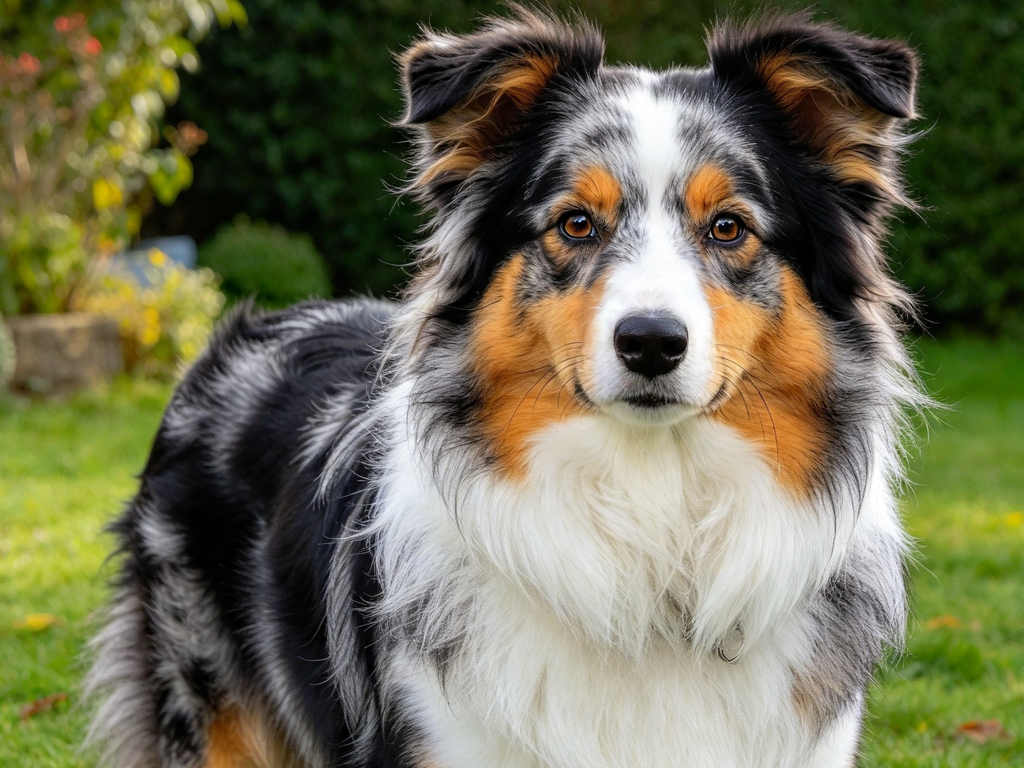
Welcome to our complete Australian Shepherd breed guide.With its stunning merle coat, expressive eyes, and boundless energy, the Australian Shepherd is one of the most intelligent and athletic dogs in the world. Despite its name, the breed was developed in the United States, where it became a favorite of ranchers in the 19th and 20th centuries. Its ancestors likely came from the Basque region with shepherds who had lived in Australia, which explains the name. In French, it is called the Berger australien, and it is often nicknamed the “Aussie”. Today it excels as a herding dog, sports competitor, and active family companion.If you also love smaller breeds, check out our Pug breed guide.
Thinking about adopting one? Here’s what you should know.
How Big Is an Australian Shepherd?
The Australian Shepherd is a medium-sized, agile, and well-balanced breed.
- Height: 46-58 cm (18-23 in), with males taller than females
- Weight: 16-32 kg (35-70 lb)
- Lifespan: 12-15 years
- Coat: Medium-length, weather-resistant double coat, in blue merle, red merle, black, or red, with or without white and tan markings
- Eyes: Brown, blue, amber, or a mix, and sometimes one of each color
- Tail: Naturally long or naturally bobbed. Docking is banned in many countries, including France and the United Kingdom.
Personality: Smart, Loyal, and Driven
Australian Shepherds are known for their sharp minds and strong work ethic.
- Highly intelligent: They learn very quickly and love solving problems.
- Energetic and athletic: They have enormous stamina and need a job to do.
- Loyal and affectionate: They bond closely with their family and love to be involved in everything.
- Herding instinct: They may nip at heels and try to “herd” children, pets, and even cars.
- Alert and protective: They make good watchdogs and can be quite vocal.
- Reserved with strangers: They are usually aloof rather than friendly with people they do not know.
- Sensitive: They respond badly to harsh training and can be easily stressed.
- Needy for company: They do not like being left alone for long hours.
Expect a dog that watches your every move, learns tricks in minutes, and will invent its own job if you do not give it one.
How to Take Care of an Australian Shepherd
Feeding
Following a proper Australian Shepherd breed guide for nutrition is essential…
Choose a high-quality food suited to their age and activity level. Very active or working Aussies may need more calories. Feed 2 meals a day and avoid intense exercise around mealtimes to reduce the risk of bloat. Measure portions to prevent weight gain.
Exercise
Following an Australian Shepherd breed guide routine ensures your dog gets enough daily activity.
This is a very active breed. Plan for at least 1 to 2 hours of exercise per day: running, hiking, fetch, frisbee, and structured activities such as agility, herding trials, or obedience. Mental stimulation is just as important, so add training games and puzzle toys. A bored Aussie can become destructive, anxious, or obsessive.
Grooming
Following a proper Australian Shepherd breed guide grooming routine helps manage their heavy coat.
- Brush 2-3 times a week, and daily during shedding seasons. Aussies shed moderately all year and heavily twice a year.
- Bathe every few months or when dirty.
- Never shave the coat, as it protects against both heat and cold.
- Check the feathering behind the ears and on the legs for mats.
- Clean ears, trim nails, and brush teeth regularly.
Temperature
Australian Shepherds handle both cold and warm weather fairly well thanks to their double coat, but they can overheat during hard exercise. Provide shade and fresh water, and exercise during cooler hours in summer.
Training and Socialization
Australian Shepherds are extremely trainable, but they need a confident, consistent owner and plenty of stimulation. Start early with socialization: expose your puppy to many people, dogs, sounds, and places. Use positive reinforcement with treats, praise, and play, and keep sessions varied and engaging. Teach them not to nip at heels and to settle calmly at home. Their herding instinct means they thrive with a job, such as agility, herding, or trick training.
Common Health Issues
Australian Shepherds are generally healthy, but the breed is prone to certain conditions:
- Hip and elbow dysplasia
- Eye problems (such as cataracts, progressive retinal atrophy, and collie eye anomaly)
- Epilepsy
- MDR1 gene mutation: A sensitivity to certain drugs, so always tell your vet about it
- Hypothyroidism
- Autoimmune diseases
- Certain cancers
- Deafness and eye defects in dogs with two merle genes (double merle)
- Bloat (gastric dilatation-volvulus)
Choose a responsible breeder who health-tests the parents (hips, elbows, eyes, and the MDR1 gene) and who never breeds two merle dogs together. Schedule regular vet check-ups.
Is an Australian Shepherd Right for You?
An Australian Shepherd could be perfect if you are very active, love outdoor adventures and dog sports, and can offer plenty of exercise, training, and company.
It may not be the best match if you are a first-time owner, live in a small apartment, are away for long hours, want a calm and low-energy dog, or have young children who could be nipped during herding.
Final Thoughts
Brilliant, loyal, and full of energy, the Australian Shepherd is a fantastic companion for the right owner. With daily exercise, mental challenges, and plenty of affection, your Aussie will be a devoted and entertaining partner for many years.
” We hope this Australian Shepherd breed guide helps you decide if this energetic dog is the right choice for you.”
If you are also interested in small breeds, check out our Pug breed guide.