Everything You Need to Know About This Athletic and Free-Spirited Sled Dog
Siberian Husky Breed Guide: Size, Temperament & Care
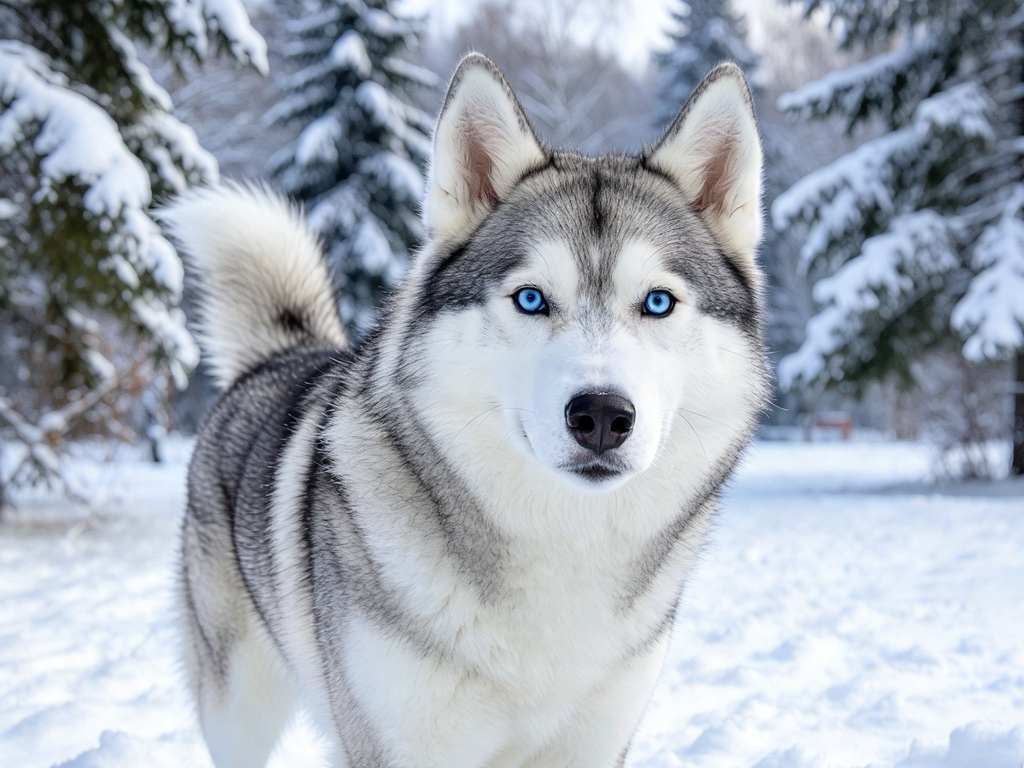
With its piercing blue eyes, thick coat, and wolf-like looks, the Siberian Husky is one of the most striking dogs in the world. The breed was developed by the Chukchi people of northeastern Siberia to pull light sleds over long distances in freezing conditions. It became famous in 1925, when teams of Huskies carried life-saving medicine to Nome, Alaska. In French, it is called the Husky sibérien. Today it is a popular companion, but it remains a true working dog at heart.
Thinking about adopting one? Here’s what you should know.
How Big Is a Siberian Husky?
The Siberian Husky is a medium-sized, athletic, and well-balanced breed.
- Height: 51-60 cm (20-24 in), with males taller than females
- Weight: 16-27 kg (35-60 lb)
- Lifespan: 12-14 years
- Coat: Thick, dense double coat, in almost every color and pattern, from black and white to gray, red, copper, and agouti, often with a distinctive facial mask
- Eyes: Blue, brown, or one of each (called “bi-eyed”), and sometimes parti-colored
Personality: Friendly, Energetic, and Independent
Huskies are known for their outgoing and mischievous nature.
- Friendly and sociable: They love people and other dogs, which makes them poor guard dogs.
- Energetic and playful: They have enormous stamina and stay active for years.
- Independent and stubborn: They are clever, but they like to think for themselves.
- Curious and mischievous: They are talented escape artists and can be destructive when bored.
- Vocal: They rarely bark, but they “talk,” howl, and sing.
- Strong prey drive: They may chase cats, rabbits, and other small animals.
- Pack-oriented: They do not like being left alone for long hours.
Expect a dog that loves to run, dig, and howl, and that will test your patience and your fences.
How to Take Care of a Siberian Husky
Feeding
Choose a high-quality food suited to their age and activity level. Huskies are efficient eaters and often need less food than their size suggests, so measure portions to prevent weight gain. Highly active or working Huskies may need more calories. Fresh water should always be available.
Exercise
This is a very active breed. Plan for at least 2 hours of exercise per day: running, hiking, biking, canicross, skijoring, or sledding. Mental stimulation, such as puzzle toys and training games, is essential. A bored Husky can destroy furniture, dig up the garden, or escape. Never let a Husky off-leash in an unfenced area, because their urge to run and their prey drive can make them ignore your calls.
Grooming
- Brush 2-3 times a week, and daily during shedding seasons. Huskies “blow their coat” heavily twice a year, and they shed moderately all year round.
- Bathe only when needed, as they are naturally clean and have little odor.
- Never shave the coat, as it protects against both cold and heat.
- Trim nails and brush teeth regularly.
Temperature
Huskies handle cold very well but can struggle in heat. In warm climates, provide shade, fresh water, air conditioning or a cool room, and exercise only in the early morning or late evening. Never leave them in a car.
Training and Socialization
Huskies are intelligent but independent, so training takes patience, consistency, and creativity. Start early with socialization and basic obedience. Use positive reinforcement with treats and play, and keep sessions short and varied. Reliable recall is very difficult, so a leash or a secure fence is a must. Secure your garden with a high fence that goes deep into the ground, since many Huskies dig and climb.
Common Health Issues
Huskies are generally healthy, but the breed is prone to certain conditions:
- Eye problems (such as cataracts, corneal dystrophy, and progressive retinal atrophy)
- Hip dysplasia
- Hypothyroidism
- Zinc-responsive dermatosis (a skin condition)
- Autoimmune skin diseases
- Degenerative myelopathy
- Laryngeal paralysis
- Obesity
Choose a responsible breeder who health-tests the parents (hips, eyes, and more), and schedule regular vet check-ups.
Is a Siberian Husky Right for You?
A Siberian Husky could be perfect if you are very active, love outdoor adventures, and can offer plenty of exercise, training, and company.
It may not be the best match if you are a first-time owner, live in a very hot climate, are away for long hours, have small pets, dislike dog hair and howling, or cannot secure your garden.
Final Thoughts
Beautiful, spirited, and full of energy, the Siberian Husky is a fantastic companion for the right owner. With daily exercise, patient training, and a secure home, your Husky will be a loyal and entertaining partner for many years.