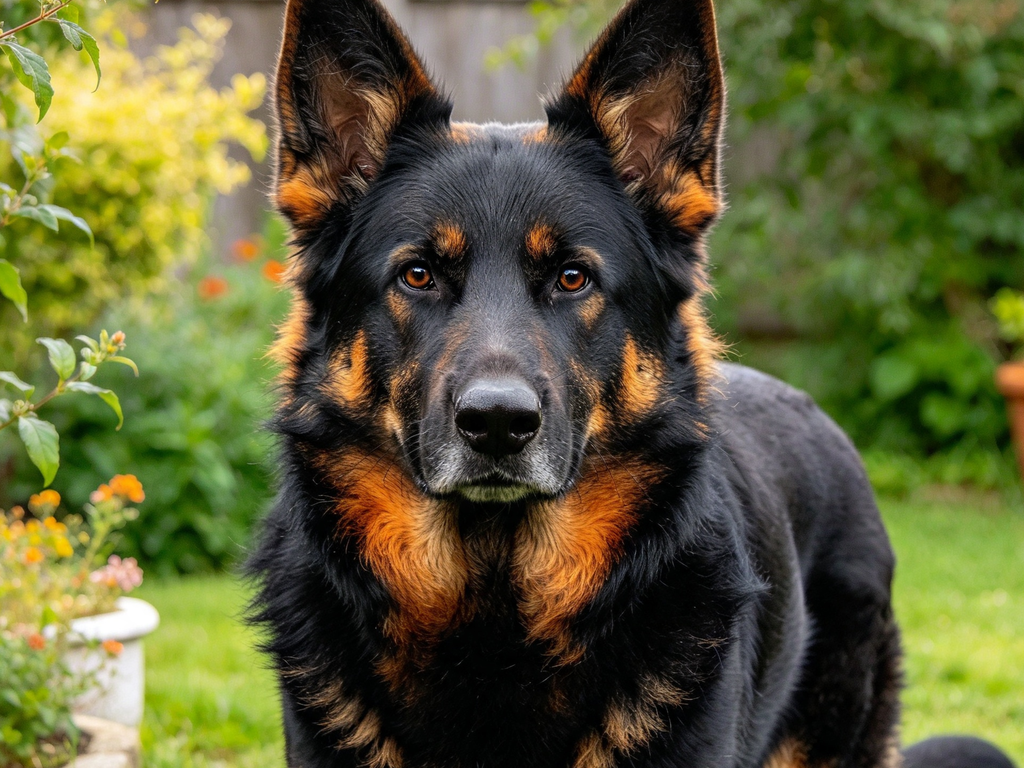
Everything You Need to Know About This Loyal and Versatile Working Dog
German Shepherd Breed Guide: Size, Temperament & Care
With its bat-like ears, flat face, and clownish charm, the French Bulldog, known in France as the Bouledogue français or affectionately “Frenchie”, has become one of the most popular dog breeds in the world. Despite the name, the breed was developed in England, then refined in France in the 19th century, where lace makers and Parisian families fell in love with it.
Thinking about adopting one? Here’s what you should know.
How Big Is a French Bulldog?
The French Bulldog is a small, muscular, compact breed.
- Height: 27-35 cm (11-14 in)
- Weight: 8-14 kg (18-28 lb)
- Lifespan: 10-12 years
- Coat: short, smooth, and fine, in fawn, brindle, white, or pied (patched), and sometimes in other colors
Personality: A Clown with a Heart of Gold
Frenchies are all about companionship.
- Affectionate and loyal: they bond closely with their family and want to be near you at all times.
- Playful and funny: natural comedians who love attention.
- Sociable: usually good with children, strangers, and other pets.
- Adaptable: happy in a city apartment or a house.
- Low barkers: generally quiet, which makes them good neighbors.
- Stubborn streak: they can be willful, but they respond well to gentle training.
Be ready for snoring, snorting, and the occasional gas. It comes with the territory.
How to Take Care of a French Bulldog
Feeding
Frenchies gain weight easily, and extra weight worsens their breathing. Choose a quality food, measure portions, and limit treats. Some Frenchies have sensitive stomachs or food allergies, so ask your vet if you notice digestive or skin issues.
Exercise
Moderate exercise is enough: one or two short walks a day plus indoor play. Avoid intense activity, especially in hot or humid weather.
Grooming
- Brush weekly to remove loose hair.
- Clean the facial folds regularly with a soft damp cloth and dry them well to prevent infections.
- Trim nails and clean the ears as needed.
- Brush teeth often.
Temperature
Like other short-nosed breeds, Frenchies overheat quickly. Provide shade, fresh water, and air conditioning or a cool room in summer. Never leave them in a car. In winter, a coat helps in very cold weather.
Training and Socialization
Start early with socialization and basic obedience. Use positive reinforcement, keep sessions short and fun, and be consistent. Housetraining can take time. Use a harness rather than a collar to protect their airways. Most Frenchies can’t swim well, so keep them away from pools without supervision.
Common Health Issues
French Bulldogs are brachycephalic (short-nosed), which explains many of their health concerns:
- Breathing difficulties (brachycephalic airway syndrome)
- Heatstroke
- Skin fold infections and skin allergies
- Eye problems, such as dry eye and corneal ulcers
- Spinal problems (such as intervertebral disc disease)
- Hip dysplasia and patellar luxation
- Ear infections
- Digestive sensitivities
Many Frenchies also need a C-section to give birth, and breathing surgery is sometimes recommended. Choose a responsible breeder who health-tests their dogs, and schedule regular vet check-ups. Pet insurance is worth considering.
Is a French Bulldog Right for You?
A French Bulldog could be perfect if you want an affectionate, low-energy companion, live in an apartment, and are home often.
It may not be the best match if you live in a very hot climate, are away for long hours, dislike snoring and drool, or aren’t prepared for possible vet costs.
Final Thoughts
Funny, loving, and endlessly devoted, the French Bulldog is a wonderful companion for the right owner. With attention to weight, heat, and fold hygiene, and a good breeder or rescue, your Frenchie can bring you years of joy.