Everything You Need to Know About This Sturdy and Spirited Little Herder
Corgi Breed Guide: Size, Temperament & Care Tips
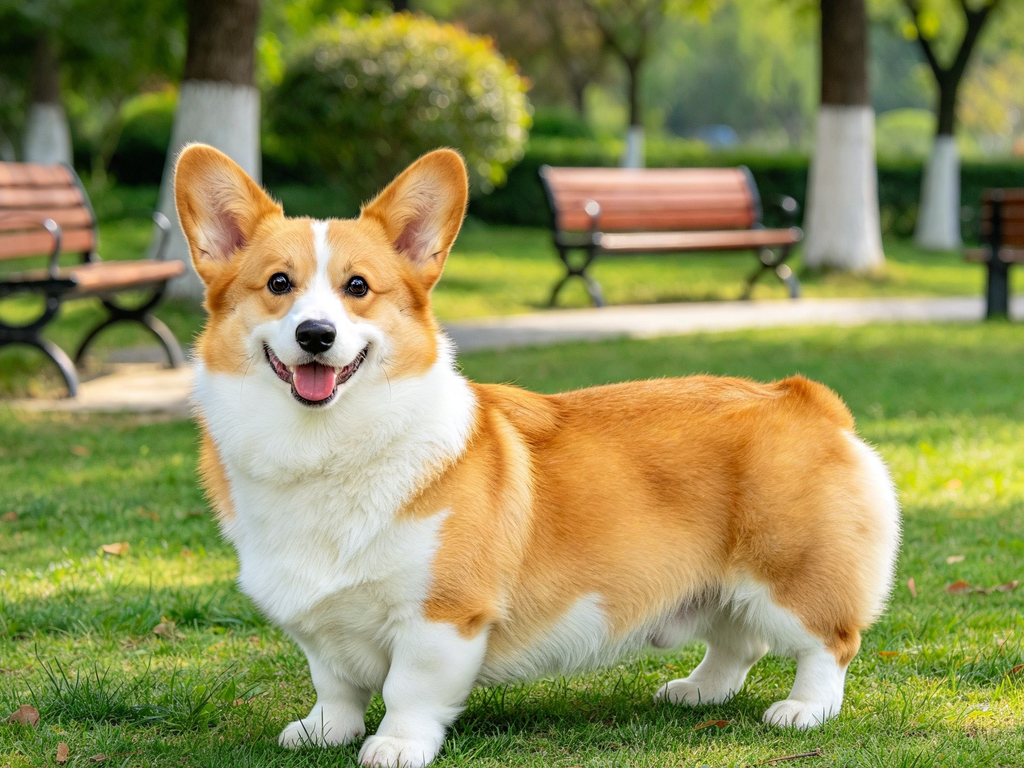
With its fox-like face, short legs, and famously fluffy backside, the Corgi is one of the most lovable dogs in the world. The name usually refers to the Pembroke Welsh Corgi, the more popular of the two Corgi breeds, which was developed in Wales to herd cattle by nipping at their heels. The other breed, the Cardigan Welsh Corgi, is a bit larger and has a long tail. In French, it is called the Corgi gallois or Welsh Corgi. The Pembroke is also famous as the favorite dog of Queen Elizabeth II.
Thinking about adopting one? Here’s what you should know.
How Big Is a Corgi?
The Corgi is a small-to-medium, low-set, and sturdy breed. The figures below are for the Pembroke.
- Height: 25-30 cm (10-12 in)
- Weight: 10-14 kg (22-31 lb)
- Lifespan: 12-14 years
- Coat: Medium-length double coat, in red, sable, fawn, or black and tan, often with white markings
- Tail: Naturally short or docked in some countries. Naturally bobbed tails are common.
The Cardigan Welsh Corgi is slightly larger (up to about 15 kg or 33 lb) and comes in more colors, including brindle and blue merle.
Personality: Smart, Bold, and Affectionate
Corgis are known for their big personality in a small body.
- Intelligent: They are among the smartest herding breeds and learn quickly.
- Affectionate and loyal: They bond closely with their family and love to be involved in everything.
- Bold and confident: They act like a much bigger dog.
- Playful and energetic: They are active, athletic, and always ready for a game.
- Alert: They make good watchdogs and can be quite vocal.
- Herding instinct: They may nip at heels, especially of children, and try to “herd” people and pets.
- Stubborn streak: They are clever, but they like to do things their own way.
Expect a dog that follows you everywhere, barks to tell you about everything, and wiggles with its whole body when happy.
How to Take Care of a Corgi
Feeding
Choose a high-quality food suited to their size and age. Corgis love food and gain weight very easily, and extra weight puts dangerous pressure on their long back and short legs. Measure portions carefully, limit treats, and keep them lean.
Exercise
Plan for about 1 hour of exercise per day: walks, fetch, and play. Corgis were bred to work all day, so they also need mental stimulation, such as training, puzzle toys, and herding games. Avoid too much jumping and stair climbing, especially for puppies, to protect the back and joints.
Grooming
- Brush 2-3 times a week, and daily during shedding seasons. Corgis shed a lot all year round and heavily twice a year.
- Bathe only when needed.
- Never shave the coat, as it protects against both heat and cold.
- Clean ears, trim nails, and brush teeth regularly.
Temperature
Corgis handle cold well thanks to their double coat but can overheat in hot weather. Provide shade, fresh water, and exercise during cooler hours.
Training and Socialization
Corgis are smart and eager to learn, but they can be strong-willed and noisy. Start early with socialization and basic obedience. Use positive reinforcement with treats and praise, and keep sessions short and fun. Teach them not to nip at heels and to stop barking on command. Their herding instinct means they benefit from a job, such as agility, herding trials, or trick training.
Common Health Issues
Corgis are generally healthy, but the breed is prone to certain conditions:
- Intervertebral disc disease (because of the long back)
- Hip dysplasia
- Obesity
- Degenerative myelopathy
- Eye problems (such as progressive retinal atrophy and cataracts)
- Von Willebrand’s disease (a bleeding disorder)
- Epilepsy
- Skin allergies
Choose a responsible breeder who health-tests the parents, keep your Corgi lean, and schedule regular vet check-ups. Use ramps or steps to protect the back, and pick up your dog carefully, supporting both the chest and hindquarters.
Is a Corgi Right for You?
A Corgi could be perfect if you want a smart, loyal, and active companion, enjoy training and outdoor time, and can tolerate some shedding and barking.
It may not be the best match if you are away for long hours, want a quiet dog, dislike dog hair, live with many stairs, or have very young children who might be nipped during herding.
Final Thoughts
Smart, cheerful, and endlessly entertaining, the Corgi is a little dog with a huge heart. With regular exercise, weight control, and consistent training, your Corgi will be a devoted and joyful companion for many years.