Everything You Need to Know About This Bold and Curious Little Hunter
Dachshund Breed Guide: Size, Temperament & Care Tips
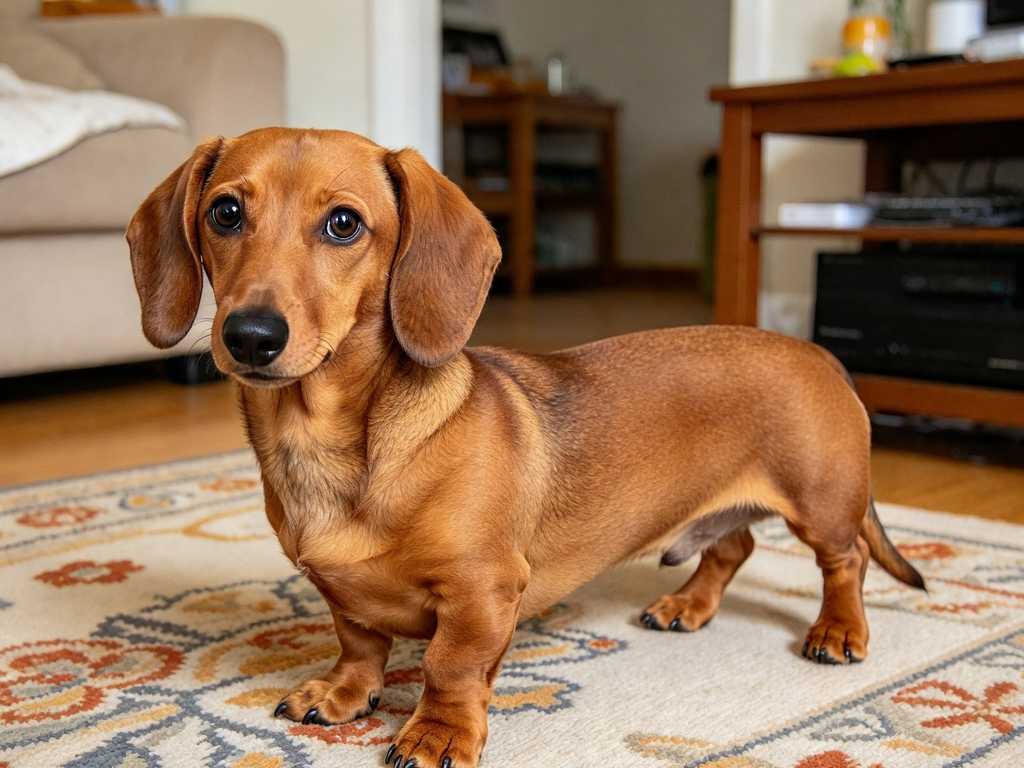
With its long body, short legs, and endlessly curious personality, the Dachshund is instantly recognizable. The breed was developed in Germany several centuries ago to hunt badgers and other burrowing animals, and its name literally means “badger dog” in German. In French, it is called the Teckel or Basset allemand, and it is also nicknamed the “wiener dog” or “sausage dog” in English-speaking countries.
Thinking about adopting one? Here’s what you should know.
How Big Is a Dachshund?
The Dachshund comes in three sizes and three coat types.
- Standard: 20-27 cm (8-11 in) tall, 7-14 kg (16-32 lb)
- Miniature: 13-20 cm (5-8 in) tall, up to about 5 kg (11 lb)
- Lifespan: 12-16 years
- Coat types: Smooth (short), longhaired, or wirehaired
- Colors: Red, black and tan, chocolate, cream, dapple, brindle, and more
Personality: Brave, Curious, and Stubborn
Dachshunds have a big-dog attitude in a long, low body.
- Loyal and affectionate: They bond closely with their family and love to cuddle.
- Courageous and bold: Bred to face badgers, they rarely back down.
- Curious and playful: They love to sniff, dig, and explore.
- Stubborn and independent: Clever, but they like to do things their own way.
- Alert: They make good watchdogs and can be quite vocal.
- Wary of strangers: They can be reserved with new people and dogs without early socialization.
Be prepared for a dog that loves burrowing under blankets and may dig in your garden.
How to Take Care of a Dachshund
Feeding
Choose a high-quality food suited to their size and age. Dachshunds gain weight easily, and extra weight puts dangerous pressure on their long spine. Measure portions carefully and limit treats.
Exercise
Plan for 30-60 minutes of daily activity: walks, sniffing games, and indoor play. Avoid jumping on and off furniture and climbing many stairs, as this can injure the back. Use ramps or steps, and pick up your Dachshund carefully, supporting both the chest and hindquarters.
Grooming
- Smooth coat: Brush weekly.
- Longhaired: Brush 2-3 times a week.
- Wirehaired: Brush weekly and have the coat hand-stripped or trimmed a few times a year.
- Clean ears, trim nails, and brush teeth regularly, since dental problems are common.
Temperature
Smooth-coated Dachshunds get cold easily, so a coat or sweater helps in winter. Avoid overheating in summer.
Training and Socialization
Dachshunds are intelligent but can be strong-willed, so patience and consistency are key. Use positive reinforcement with treats and praise, and keep sessions short and fun. Start socialization early. Housetraining can take time. Their hunting instincts mean they may chase small animals, so use a secure leash and fenced yard.
Common Health Issues
The main concern is the spine, but other issues exist:
- Intervertebral disc disease (IVDD): The most serious risk, caused by their long back
- Obesity
- Dental disease
- Patellar luxation
- Eye problems (such as progressive retinal atrophy)
- Ear infections, especially in longhaired dogs
- Diabetes
Choose a responsible breeder who screens for health issues, keep your dog lean, and schedule regular vet check-ups. Seek veterinary care immediately if your dog shows back pain, reluctance to move, or weakness in the legs.
Is a Dachshund Right for You?
A Dachshund could be perfect if you want a loyal, funny companion, live in an apartment or house, and can be patient with training.
It may not be the best match if you have very young children (the back is delicate), live with many stairs, dislike barking, or want a dog that is easy to train.
Final Thoughts
Brave, comical, and devoted, the Dachshund is a little dog with a huge personality. With back-friendly habits, weight control, and consistent training, it will be a loyal companion for many years.