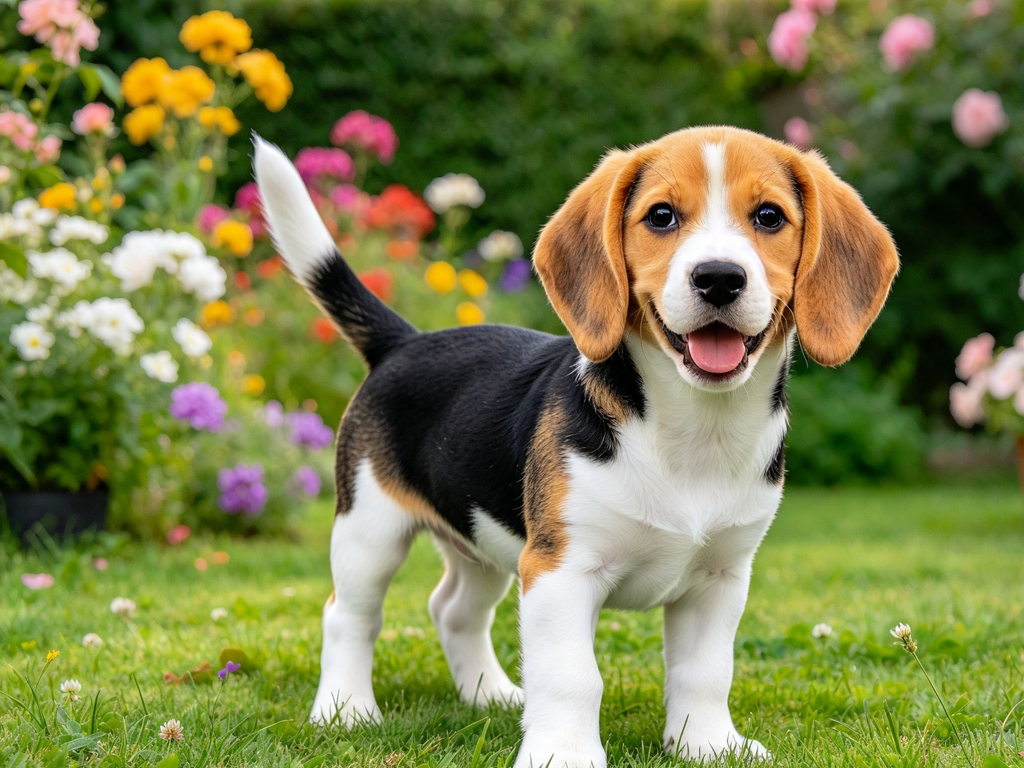
Complete Beagle Breed Guide
Welcome to our complete Beagle breed guide. With its floppy ears, soulful eyes, and nose that never stops working, the Beagle is one of the most charming dogs in the world. The breed was developed in England to hunt small game such as hares and rabbits in packs, and it remains one of the best scent hounds ever bred. In French, it is simply called the Beagle. It is also a famous cartoon character, and it is often used as a detection dog at airports thanks to its incredible sense of smell.If you are also interested in gentle giants, check out our Bernese Mountain Dog guide.
Thinking about adopting one? Here’s what you should know.
How Big Is a Beagle?
The Beagle is a small-to-medium, sturdy, and compact breed.
- Height: 33-41 cm (13-16 in)
- Weight: 9-11 kg (20-25 lb)
- Lifespan: 12-15 years
- Coat: Short, dense, and weather-resistant, usually tricolor (black, tan, and white) or bicolor (lemon, red, or tan and white)
Personality: Merry, Curious, and Sociable
Beagles are known for their happy-go-lucky nature.
- Friendly and sociable: They love people, children, and other dogs.
- Curious and playful: They love to sniff, explore, and follow interesting smells.
- Gentle and easygoing: They are patient and rarely aggressive.
- Stubborn and independent: They are clever, but they often follow their nose instead of your commands.
- Food-driven: They are always hungry and will eat almost anything.
- Vocal: They bark, bay, and howl, especially when bored or left alone.
- Needy for company: They do not like being left alone for long hours.
Expect a dog that is a poor guard dog but a wonderful, cheerful family companion.
How to Take Care of a Beagle
Feeding
Following a proper Beagle breed guide for nutrition is essential…
Choose a high-quality food suited to their age and activity level. Beagles gain weight very easily, so measure portions carefully, limit treats, and keep food out of reach. Slow-feeder bowls can help greedy eaters.
Exercise
Following a Beagle breed guide exercise schedule ensures your hound gets enough daily activity.
This is an active breed. Plan for at least 1 hour of exercise per day: walks, sniffing games, and play. Mental stimulation, such as scent games, treat puzzles, and hide-and-seek, is just as important to prevent boredom and destructive behavior. Always keep them on a leash or in a securely fenced area, because a Beagle following a scent may ignore your calls and run off.
Grooming
Maintaining a regular Beagle breed guide grooming routine helps keep their coat healthy .
- Brush weekly to remove loose hair. Beagles shed moderately all year round.
- Bathe every 1-2 months or when dirty.
- Check and clean the ears regularly, since floppy ears trap moisture and dirt.
- Trim nails and brush teeth often.
Temperature
Beagles handle most climates well, but they can overheat in high heat and get cold in winter. Provide shade, fresh water, and a coat in very cold weather.
Training and Socialization
Beagles can be challenging to train because of their stubbornness and strong scent drive. Start early with socialization and basic obedience. Use positive reinforcement with treats, keep sessions short and fun, and be very patient. Recall training is especially important. Housetraining can take time. Secure your garden with high, solid fencing, as many Beagles are talented diggers and escape artists.
Common Health Issues
Beagles are generally healthy, but the breed is prone to certain conditions:
- Obesity
- Ear infections
- Hip dysplasia
- Intervertebral disc disease
- Epilepsy
- Eye problems (such as glaucoma, cherry eye, and progressive retinal atrophy)
- Hypothyroidism
- Skin allergies
- Musladin-Lueke syndrome (a rare inherited condition affecting the joints and skin)
Choose a responsible breeder who health-tests the parents, and schedule regular vet check-ups. Keeping your Beagle at a healthy weight is one of the best ways to protect its health.
Is a Beagle Right for You?
A Beagle could be perfect if you want a cheerful, sociable family dog, enjoy outdoor walks, and can offer daily exercise and company.
It may not be the best match if you are away for long hours, live in a shared building with noise-sensitive neighbors, want a dog that obeys perfectly off-leash, or dislike howling and barking.
Final Thoughts
Friendly, curious, and always following its nose, the Beagle is a joyful companion that brings energy and laughter to family life. With plenty of exercise, patient training, and careful portion control, your Beagle will be a loyal friend for many years.
“We hope this Beagle breed guide helps you decide if this friendly dog is right for you.”