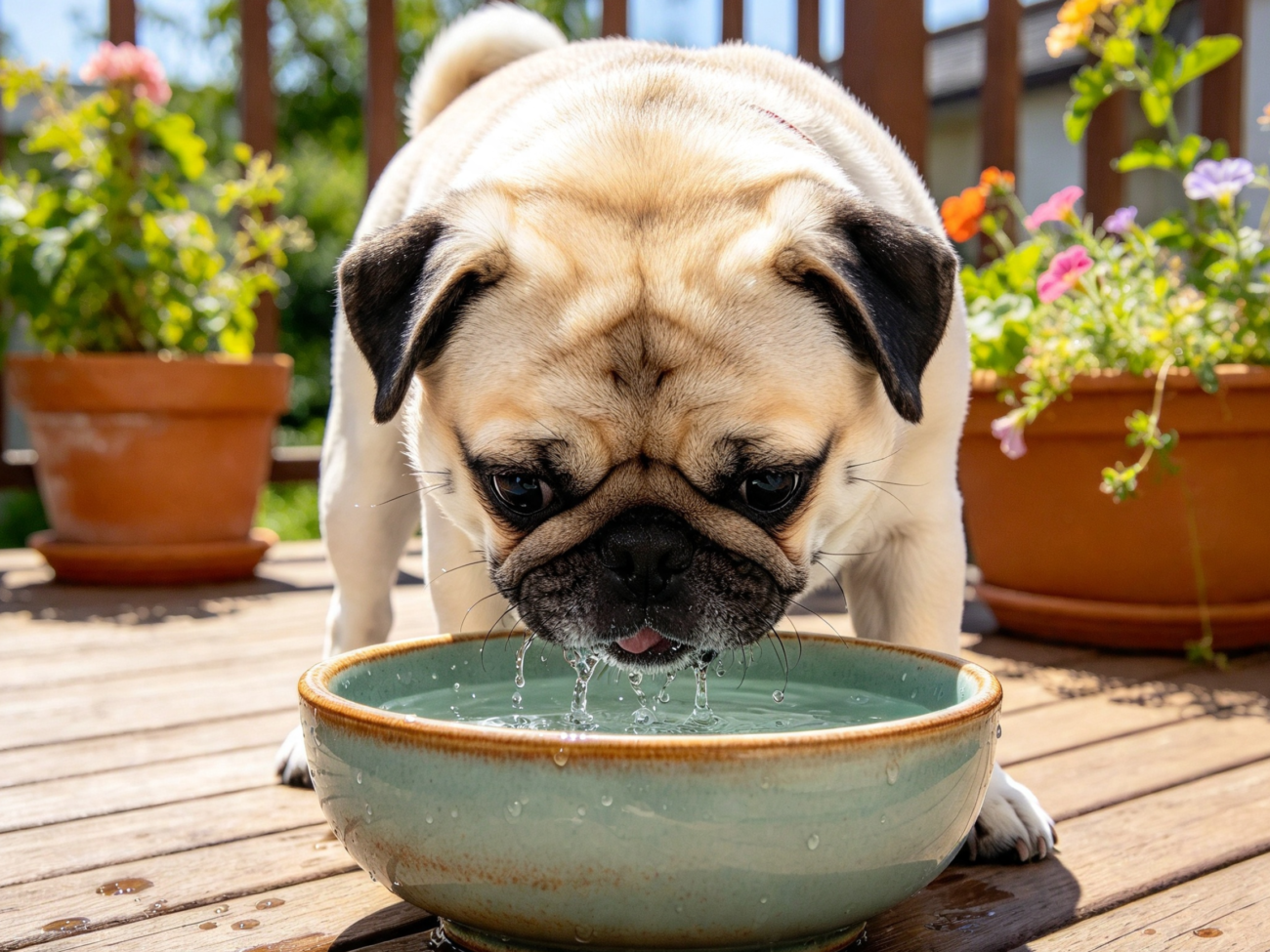
Summer brings longer walks, backyard playtime, and sunny afternoons outdoors, but it also brings real risks for dogs. Unlike humans, dogs can’t cool down by sweating over most of their body. They rely mainly on panting and a small amount of sweating through their paw pads, which makes them far more vulnerable to overheating than we are. Heatstroke can happen quickly and can be life-threatening, but with a few simple precautions, you can keep your dog safe and comfortable all season long.
Why Dogs Overheat So Easily
Dogs regulate their body temperature very differently than people do.
- Limited sweating. Dogs only sweat through their paw pads, which isn’t enough to cool the whole body.
- Panting is their main defense. It works, but it’s far less efficient than sweating, especially in humid weather.
- Fur traps heat. Thick or dark coats absorb and hold heat.
- Certain breeds struggle more. Flat-faced breeds like Bulldogs, Pugs, and Boxers have narrower airways, making panting less effective.
- Some dogs are at higher risk. Puppies, seniors, overweight dogs, and those with heart or respiratory conditions overheat more easily.
Know the Signs of Overheating
Catching the early signs of heat stress can prevent a life-threatening emergency.
Early signs of overheating:
- Heavy panting
- Excessive drooling
- Bright red gums or tongue
- Restlessness or seeking shade
- Rapid heartbeat
Signs of heatstroke (emergency):
- Thick, ropey drool
- Vomiting or diarrhea
- Weakness or stumbling
- Confusion or dazed behavior
- Collapse or seizures
- Pale, blue, or grey gums
- Body temperature above 104°F (40°C)
Heatstroke is a medical emergency. If you notice these signs, move your dog to a cool area immediately and contact a vet right away, even while you begin first aid.
How to Keep Your Dog Cool
1. Time Walks Carefully
Walk your dog during the coolest parts of the day, early morning or late evening, and avoid the midday sun. Pavement can become dangerously hot even when the air temperature feels mild.
The 7-second test: Press the back of your hand against the pavement. If you can’t hold it there for seven seconds, it’s too hot for your dog’s paws.
2. Provide Constant Access to Water
Keep fresh, cool water available at all times, both indoors and outdoors. On hot days or during exercise, bring water with you and offer breaks often. Adding ice cubes to the bowl can help keep it cool longer.
3. Offer Shade and Airflow
If your dog spends time outside, make sure there’s shaded shelter available throughout the day, since the sun’s position changes. A fan or breeze can also help outdoor areas feel cooler.
4. Use Cooling Products
Cooling mats, vests, and bandanas use evaporation or gel technology to help lower your dog’s body temperature. These can be especially useful for dogs who spend time outdoors or travel in the car.
5. Never Leave Your Dog in a Parked Car
Even with the windows cracked, a car’s interior can climb to dangerous temperatures within minutes, even on a mild day. Leaving a dog in a hot car can be fatal in a very short time. If you can’t bring your dog inside with you, leave them at home.
6. Adjust Exercise Intensity
On hot or humid days, shorten walks and skip intense exercise like running or fetch. Swimming, if your dog enjoys it, is a great low-impact way to stay active and cool at the same time.
7. Keep Indoor Spaces Cool
Make sure your home has good airflow, whether through air conditioning, fans, or open windows with a breeze. Tile or hardwood floors can also offer a cooler spot for your dog to rest.
8. Watch Out for Humidity
High humidity makes it harder for dogs to cool down through panting, since evaporation slows in moist air. Be extra cautious on hot, humid days, even if the temperature itself doesn’t seem extreme.
Dogs at Higher Risk
Some dogs need extra caution in the heat:
- Flat-faced (brachycephalic) breeds, such as Bulldogs, Pugs, Boston Terriers, and Shih Tzus
- Senior dogs, who often have less efficient cooling systems
- Puppies, who can’t regulate temperature as well as adults
- Overweight dogs, since extra fat acts as insulation
- Dogs with thick or dark coats
- Dogs with heart, lung, or other chronic health conditions
If your dog falls into one of these categories, keep outdoor time shorter and monitor them closely on warm days.
What to Do If You Suspect Heatstroke
Heatstroke requires immediate action.
- Move your dog to a cool, shaded, or air-conditioned area right away.
- Offer small amounts of cool (not ice-cold) water if they’re alert and able to drink.
- Apply cool, wet towels to the neck, armpits, and groin, or use a fan to help with cooling.
- Avoid ice-cold water or ice packs directly on the skin, since rapid cooling can cause other complications.
- Call your vet or an emergency clinic immediately, even if your dog seems to be improving, since internal damage can occur without obvious outward signs.
Car Travel Tips for Hot Weather
If you’re traveling with your dog in summer:
- Run the air conditioning before your dog gets in the car
- Never leave your dog unattended in a vehicle, even briefly
- Use a sunshade on windows to reduce heat buildup
- Take frequent breaks for water and bathroom stops on long drives
Final Thoughts
Summer should be a season of fun for you and your dog, not a source of danger. By adjusting walk times, keeping water on hand, watching for warning signs, and never leaving your dog in a hot car, you can help them enjoy the sunshine safely. When in doubt, trust your instincts. If it feels too hot for you, it’s probably too hot for your dog too.
This article is for general information and is not a substitute for professional veterinary advice. If you suspect your dog is experiencing heatstroke, contact your veterinarian or an emergency animal clinic immediately.