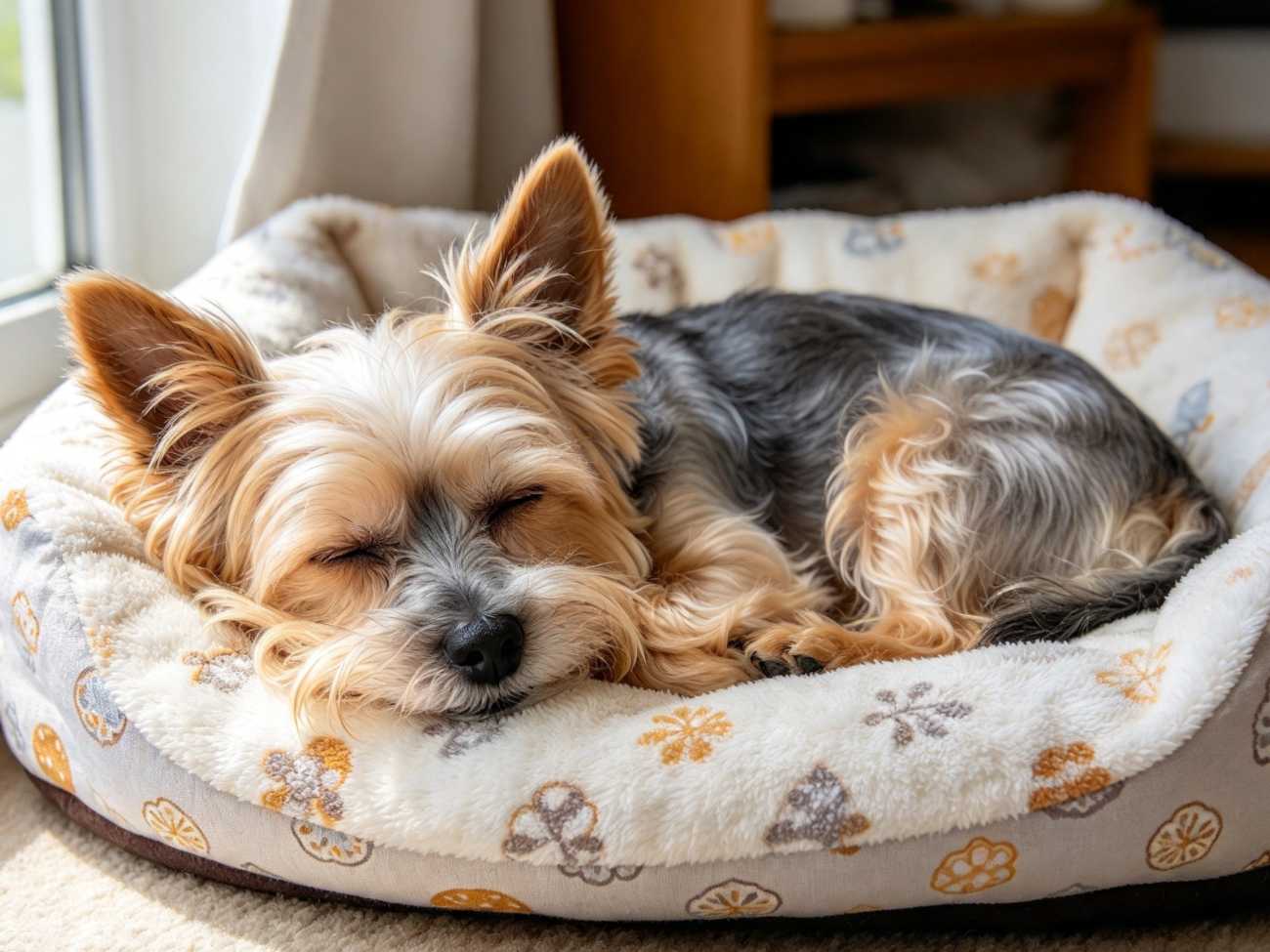
Watching your dog grow older is bittersweet. The same pup who once sprinted across the yard may now prefer a slow walk and a long nap, and that’s completely normal. Senior dogs need a different kind of care than they did as puppies or adults, but with a few thoughtful adjustments, their golden years can still be comfortable, happy, and full of love. Here’s what changes as your dog ages, and how to support them through every stage.
When Is a Dog Considered a Senior?
There’s no single age that applies to every dog. Generally:
- Small breeds (under 20 lbs) are considered senior around 10 to 12 years
- Medium breeds (20 to 50 lbs) around 8 to 10 years
- Large and giant breeds (over 50 lbs) around 6 to 8 years
Larger dogs tend to age faster and have shorter lifespans, which is why size plays such a big role in determining when the senior stage begins.
Physical Changes to Expect
Slower Movement and Joint Stiffness
Arthritis is extremely common in older dogs. You may notice stiffness after resting, hesitation before jumping or climbing stairs, or a slower pace on walks. Joint supplements, a supportive bed, and vet-recommended pain management can make a big difference in comfort.
Weight Changes
Metabolism slows with age, and many senior dogs gain weight even without eating more. Others lose weight due to muscle loss or underlying health issues. Regular weigh-ins help you catch changes early and adjust their diet accordingly.
Vision and Hearing Loss
Cloudy eyes, bumping into furniture, or not responding to their name are common signs of declining senses. While some vision and hearing loss is a normal part of aging, sudden changes should always be checked by a vet, since they can also signal other health problems.
Dental Issues
Years of wear can lead to worn teeth, gum disease, or tooth loss. Dental problems can make eating painful, so regular checkups and continued dental care remain important throughout your dog’s senior years.
Skin and Coat Changes
Fur may thin, grey (especially around the muzzle), or become drier. Lumps and bumps also become more common, and while many are harmless fatty deposits, any new growth should be checked by a vet.
Muscle Loss
Older dogs often lose muscle mass, especially in the hind legs, which can affect balance and strength. Gentle exercise and proper nutrition help slow this process.
Behavioral and Cognitive Changes
Canine Cognitive Dysfunction
Sometimes called “doggy dementia,” this condition affects many senior dogs and can cause:
- Confusion or disorientation, even in familiar places
- Changes in the sleep-wake cycle, including restlessness at night
- Reduced interest in play or interaction
- House-training accidents
- Staring blankly at walls or getting “stuck” in corners
If you notice these signs, talk to your vet. Some treatments and lifestyle changes can help slow the progression and improve quality of life.
Increased Anxiety
Some senior dogs become more anxious about being left alone, loud noises, or changes in routine. Sticking to a consistent schedule and offering extra reassurance can help ease their stress.
Changes in Sleep
Older dogs often sleep more overall, but some develop disrupted sleep patterns, sleeping more during the day and becoming restless at night. This can be related to cognitive changes, discomfort, or reduced physical activity.
How to Adjust Their Care
1. Schedule More Frequent Vet Visits
Most vets recommend checkups every six months for senior dogs, rather than once a year. Bloodwork, dental exams, and screenings can catch problems early, when they’re most treatable.
2. Adjust Their Diet
Senior dogs often need fewer calories but more high-quality protein to maintain muscle mass. Some benefit from joint-supporting supplements like glucosamine and omega-3 fatty acids. Ask your vet about a senior-specific or health-tailored diet.
3. Modify Exercise
Older dogs still need movement, but shorter, gentler walks are often better than long or intense activity. Swimming is an excellent low-impact option for dogs with joint pain. Let your dog set the pace, and watch for signs of fatigue or discomfort.
4. Make Home Adjustments
Small changes can make daily life much easier:
- Orthopedic bedding to cushion joints
- Ramps or steps for couches, beds, or cars
- Non-slip mats or rugs on slippery floors
- Raised food and water bowls for dogs with neck or joint pain
- Nightlights for dogs with vision loss
5. Keep Their Mind Active
Gentle mental stimulation, like puzzle feeders, short training sessions, or new scents on walks, can help slow cognitive decline and keep your dog engaged.
6. Manage Pain Proactively
Many senior dogs live with some degree of chronic pain, even without obvious signs. Talk to your vet about pain management options, including medication, physical therapy, or acupuncture, to keep your dog as comfortable as possible.
7. Be Patient and Flexible
Senior dogs may need more bathroom breaks, more rest, and more understanding overall. Adjusting your expectations and routines helps reduce stress for both of you.
Signs That Warrant a Vet Visit
While some changes are a normal part of aging, others need prompt attention. Contact your vet if you notice:
- Sudden weight loss or gain
- Increased thirst or urination
- Labored breathing
- Sudden behavioral changes
- New lumps or growths
- Difficulty standing or walking
- Loss of appetite
- Signs of pain, such as whining, shaking, or reluctance to move
Quality of Life Matters Most
As dogs age, the goal shifts from long-term training or high-energy activity toward comfort, connection, and quality time. Every senior dog deserves patience, gentle care, and the same love they’ve given for years. Small adjustments, like a softer bed, a shorter walk, or a little extra patience during a slow morning, can make a real difference in their day-to-day happiness.
Final Thoughts
Caring for a senior dog is a different kind of journey, one shaped by patience, attentiveness, and small acts of love. While aging brings challenges, it also brings a special kind of closeness built over years together. By staying attentive to your dog’s changing needs and working closely with your vet, you can help make their senior years just as meaningful and comfortable as every stage that came before.
This article is for general information and is not a substitute for professional veterinary advice. If you notice significant changes in your senior dog’s health or behavior, contact your veterinarian.