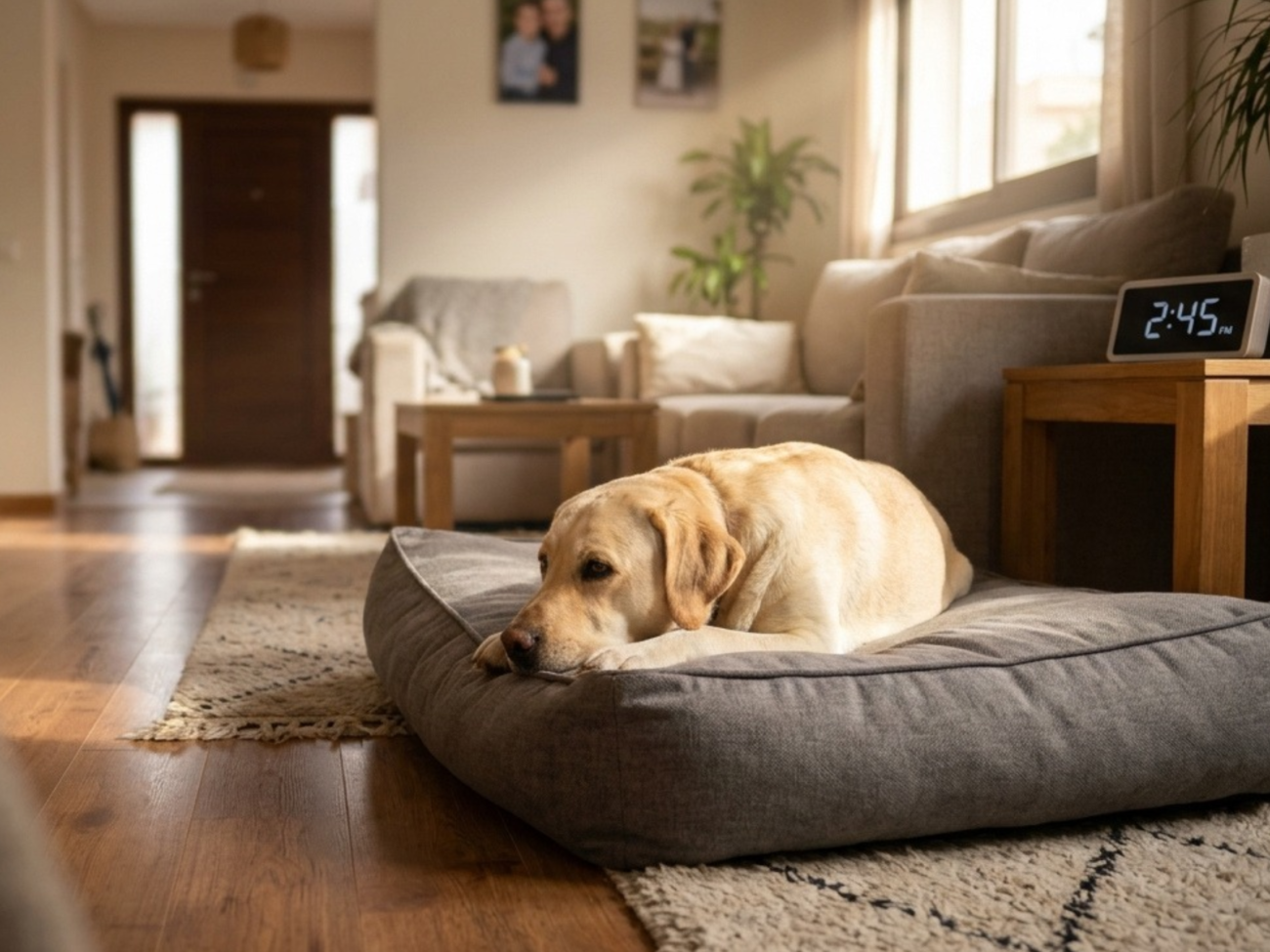
Leaving a dog home alone is a common challenge for every pet parent trying to balance daily work schedules with their animal’s well-being. A fundamental question every pet parent must ask is: how long can you safely keep your pet isolated without causing severe emotional distress, bladder accidents, or destructive behavioral issues?
While dogs are remarkably adaptable companions, they are fundamentally social pack animals with strict physical boundaries. Answering how long can you leave a dog alone depends on several crucial factors, including your dog’s exact age, physical health, breed disposition, and existing level of independence training.
In this deep-dive guide, we will break down age-appropriate timeline limits, analyze the health safety of leaving a dog alone for 8 hours, provide practical leaving a dog home alone tips, and share highly effective dog separation anxiety solutions to build a confident pet.
Table of Contents
1. Age-Based Guidelines: How Long Can You Leave a Dog Alone?
A dog’s ability to stay home alone safely is primarily limited by bladder capacity, kidney development, and mental maturity.
Young Puppies (Under 6 Months)
Puppies have tiny bladders and require frequent bathroom breaks alongside constant social feedback. Leaving them isolated for too long impairs housetraining and fosters deep insecurity.
- 8 to 10 weeks old: 1 hour maximum.
- 3 to 4 months old: 2 to 3 hours maximum.
- 5 to 6 months old: 4 hours maximum.
Healthy Adult Dogs (1 to 8 Years)
Most healthy adult dogs can comfortably stay home alone for 4 to 6 hours. While many owners ask about leaving a dog alone for 8 hours due to standard full-time workdays, 8 hours pushes the absolute physical limit for bladder control and can induce chronic stress if repeated daily without a mid-day break.
Senior Dogs (8+ Years)
Older dogs frequently experience reduced bladder capacity, joint stiffness, or canine cognitive dysfunction. Depending on health status, senior dogs generally need potty breaks and gentle attention every 2 to 4 hours.
2. Is Leaving a Dog Alone for 8 Hours Safe?
Many full-time employees wonder about the impact of leaving a dog alone for 8 hours. While an adult dog can physically hold their urine for 8 hours in an absolute emergency, relying on this as a daily routine presents significant risks.
Physical and Psychological Consequences:
- Urinary Tract Health: Prolonged urine retention irritates the bladder lining, increasing the risk of painful urinary tract infections (UTIs) and kidney strain.
- Behavioral Frustration: Boredom accumulated over 8 hours leads to destructive chewing, barrier frustration, or excessive barking.
If your work schedule requires an 8-hour absence, consider implementing these essential support systems:
- Hire a professional pet sitter or dog walker for a 30-minute mid-day visit.
- Enroll your pet in doggy daycare 2 to 3 times a week.
- Install a doggie door leading to a safe, securely enclosed yard.
3. Practical Leaving a Dog Home Alone Tips
To ensure your pet remains calm, comfortable, and safe during your absence, follow these proven strategies:
- Provide High-Energy Exercise Before Leaving: A tired dog is a quiet dog. Take your dog on a brisk 30-minute walk or play fetch before heading out so they spend their time resting.
- Leave Interactive Treat Toys: Use stuffed Kong toys or puzzle feeders to keep their brain engaged during the critical first hour of isolation.
- Create a Dedicated Comfort Zone: Limit access to the entire house if your dog is prone to chewing. Designate a cozy room equipped with a comfortable bed, fresh water, and soothing background music.
- Avoid Dramatic Departures: Keep goodbyes and greetings calm and low-key to signal that your departures and arrivals are completely normal, non-eventful routines.
4. Recognizing and Addressing Separation Anxiety
If your pet cannot tolerate quiet time alone, understanding how long can you leave a dog alone shifts from a routine question toward managing emotional health.
Signs of True Separation Anxiety:
- Continuous howling, barking, or whining shortly after you depart.
- Destructive chewing targeted specifically at exit points (door frames, windows, or blinds).
- Pacing, excessive drooling, or indoor potty accidents despite being fully housetrained.
Effective Dog Separation Anxiety Solutions:
- Desensitization Training: Practice picking up your keys and putting on your coat without actually leaving the house to break panic triggers.
- Gradual Absences: Start by leaving your dog alone in a room for 5 minutes, slowly building up to longer intervals as their confidence grows.
5. Interconnected Health & Behavioral Care
Understanding canine emotional limits directly connects to overall pet care and routine wellness. For instance, highly anxious dogs who struggle being alone may exhibit physical distress markers; if you notice your pet trembling upon your return, read why is my dog shaking to distinguish fear from medical issues.
Similarly, emotional stress often triggers physical compulsions. Check our guide on why do dogs lick their paws to understand grooming behavior, or learn about outdoor instincts with why do dogs eat grass.
Maintaining a balanced daily structure includes addressing affectionate clinginess like why does my dog follow me everywhere, keeping up with routine coat grooming via westie grooming, practicing solid oral hygiene with how to clean dogs teeth at home, and offering healthy, hydrating treats as outlined in whether can dogs eat watermelon.
For additional professional veterinary insights on canine welfare and behavioral standards, consult the American Veterinary Medical Association (AVMA).
Final Thoughts: How Long Can You Leave a Dog Alone?
When determining how long can you leave a dog alone, always prioritize your dog’s individual emotional and physical boundaries. By balancing physical potty breaks with mental enrichment and a predictable routine, you can ensure your dog stays safe, relaxed, and confident when home alone.