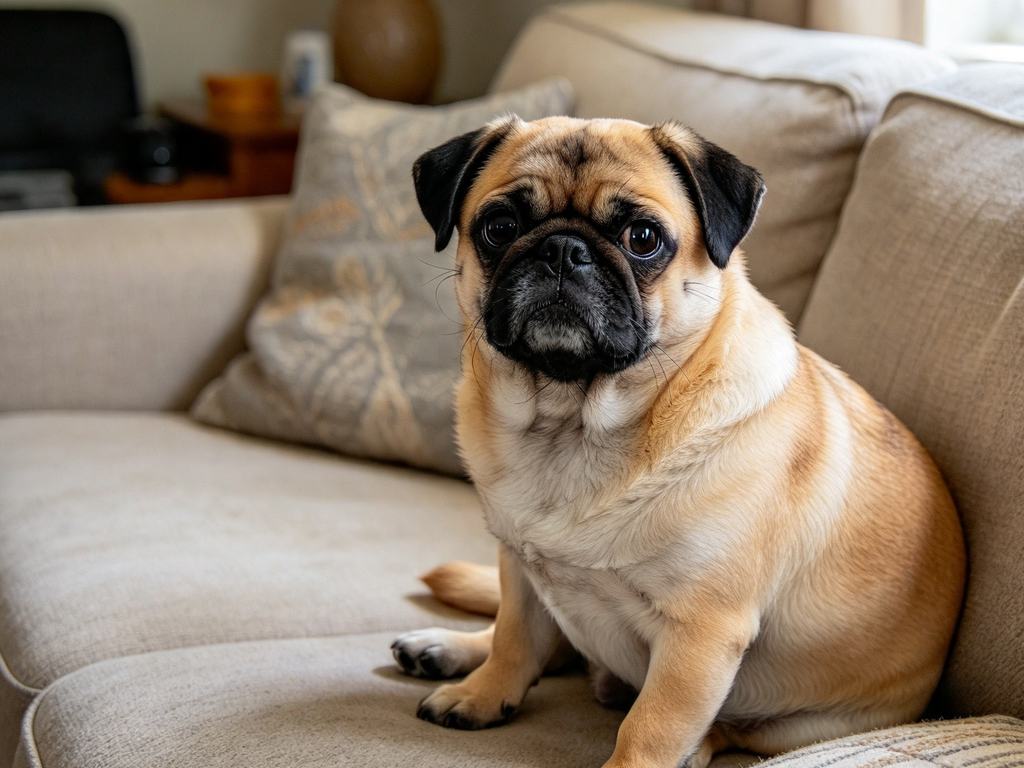
Everything You Need to Know About This Charming Little Comp ete Pug
Pug Breed Guide: Size, Temperament & Care Tips
Welcome to our complete Pug breed guide . With its wrinkled face, big round eyes, and curly tail, the Pug is impossible to ignore. Known as the Carlin in French, this ancient breed comes from China, where it was a treasured companion of emperors. Its motto, multum in parvo (“a lot in a little”), sums it up perfectly: a small dog with a huge personality. If you are also interested in giant breeds, check out our Great Dane breed guide.
Thinking about adopting one? Here’s what you should know.
How Big Is a Pug?
The Pug is a sturdy, compact toy breed.
- Height: 25-33 cm (10-13 in)
- Weight: 6-8 kg (14-18 lb)
- Lifespan: 12-15 years
- Coat: Short, smooth, and soft, usually fawn (apricot), silver, or black, with a dark mask on the face
Personality: The Family Clown
Pugs live to be part of the family.
- Affectionate and people-oriented: they love cuddles and hate being left alone.
- Playful and funny: they’re natural entertainers.
- Sociable: usually good with children, strangers, and other pets.
- Easygoing: not big barkers, and generally calm indoors.
- Stubborn and food-motivated: they can be willful, but treats work wonders.
Be prepared for snoring, snorting, and wheezing. It’s part of the charm.
How to Take Care of a Pug
Feeding
Following a proper Pug breed guide for nutrition is essential…
Pugs love food and gain weight easily. Measure portions carefully, choose a quality food for small breeds, and limit treats. Obesity makes their breathing problems worse.
Exercise
Following a Pug breed guide exercise schedule keeps your lap dog fit without overheating.
Moderate exercise is enough: two short walks a day plus indoor play. Avoid intense exercise, especially in hot weather.
Grooming
Maintaining a regular Pug breed guide grooming routine keeps their coat and facial wrinkles clean
- Brush weekly. Pugs shed quite a lot, all year round.
- Clean the facial wrinkles regularly with a soft damp cloth, then dry them well to prevent infections.
- Trim nails and clean ears as needed.
- Brush teeth often, since dental problems are common.
Temperature
Because of their short muzzle, Pugs struggle to cool down. Keep them in the shade, offer water, and never leave them in a hot car or outside on warm days. They also dislike the cold, so a coat helps in winter.
Training and Socialization
Pugs are intelligent but can be stubborn. Use positive reinforcement, keep sessions short and rewarding, and start socialization early. Housetraining takes patience. Use a harness instead of a collar to protect their delicate airways.
Common Health Issues : Pug Breed Guide
Pugs are brachycephalic (short-nosed), which explains most of their health concerns:
- Breathing difficulties (brachycephalic airway syndrome)
- Eye problems, such as corneal ulcers, since their eyes are prominent
- Skin fold infections (dermatitis)
- Obesity
- Hip dysplasia and patellar luxation
- Pug dog encephalitis (a rare neurological disease)
- Heatstroke
Choose a responsible breeder who screens for health issues, and schedule regular vet check-ups.
Is a Pug Right for You?
A Pug could be perfect if you want a loving, funny companion, live in an apartment, and are home often.
It may not be the best match if you live in a very hot climate, are away for long hours, dislike snoring and dog hair, or aren’t ready for potential vet costs.
Final Thoughts
Affectionate, comical, and endlessly loyal, the Pug is a true family dog.
With the right care, especially around weight, heat, and wrinkle hygiene, it will bring you joy for many years.We hope this Pug breed guide helps you decide if this charming companion is right for you .
” We hope this Pug breed guide helps you decide if this charming companion is right for you .”