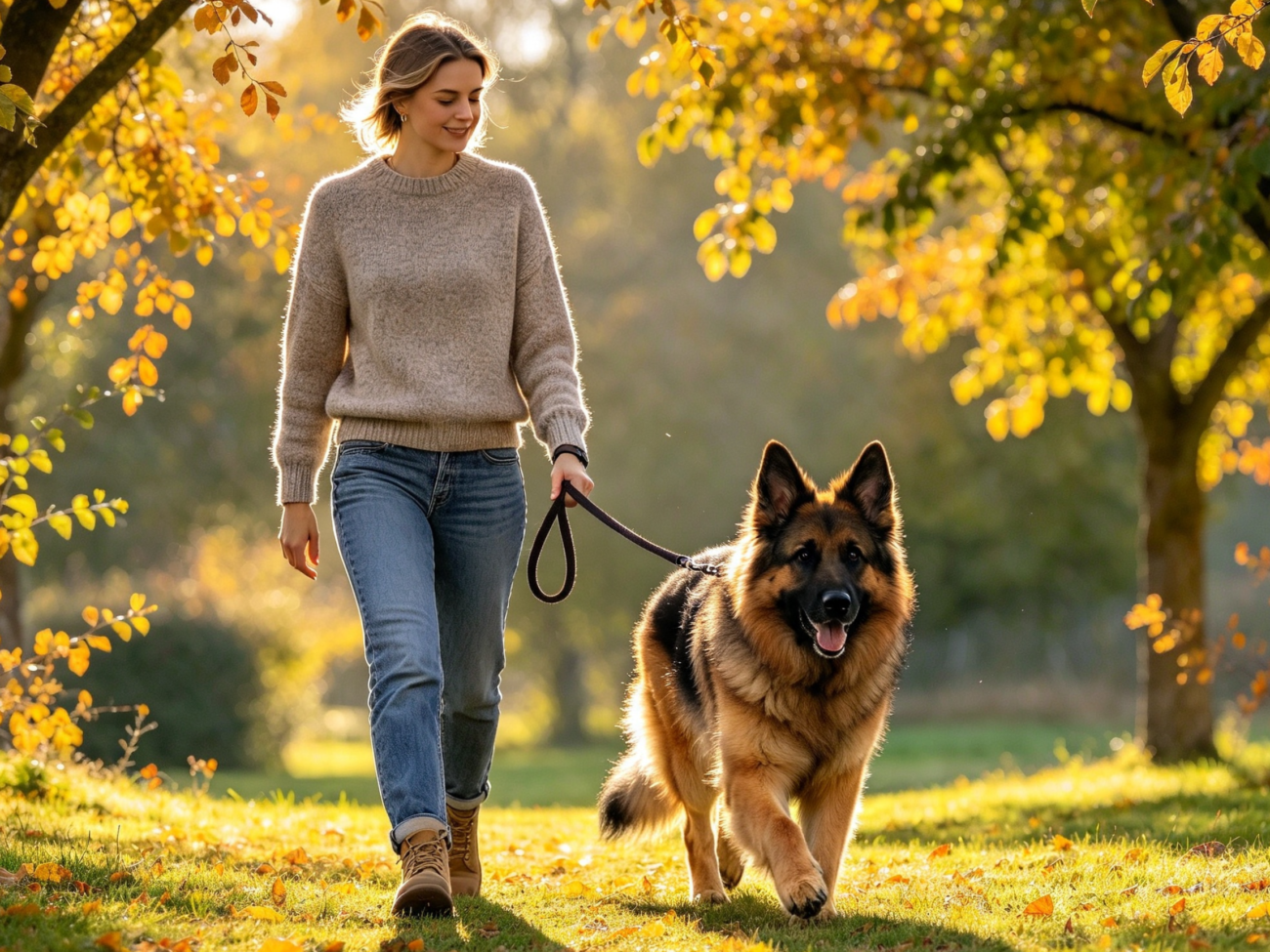
If your daily walk feels more like a tug-of-war than a stroll, you’re far from alone. Leash pulling is one of the most common complaints among dog owners, and it can turn a relaxing outing into a stressful, even painful experience. The good news is that it’s completely fixable. With the right approach and a little consistency, you can teach your dog to walk calmly by your side. Here’s how.
Why Dogs Pull on the Leash
Before fixing the problem, it helps to understand it. Dogs don’t pull to be stubborn or dominant. They pull because:
- They’re excited. The outside world is full of smells, sights, and sounds, and your dog wants to get to all of it as fast as possible.
- They walk faster than we do. A dog’s natural pace is quicker than a human’s, so pulling feels normal to them.
- It works. Every time pulling gets them closer to what they want, the behavior is rewarded, and they’ll repeat it.
- They were never taught otherwise. Loose-leash walking is a skill, and it has to be learned.
Once you understand that pulling is a learned habit, it becomes much easier to change.
Choose the Right Equipment
The right gear won’t fix the problem by itself, but it makes training easier and more comfortable for both of you.
- A front-clip harness gently turns your dog toward you when they pull, which discourages the behavior without causing discomfort.
- A standard 4 to 6 foot leash gives you control while still allowing some freedom. Avoid retractable leashes during training, since they teach dogs that pulling extends the leash.
- High-value treats are your best motivation tool. Keep a handful in your pocket or treat pouch.
Avoid choke chains, prong collars, and other harsh tools. They can cause pain, injury, and anxiety, and they don’t teach your dog what you actually want them to do.
Step-by-Step: Teaching Loose-Leash Walking
1. Start Indoors or in a Quiet Area
Practice in a low-distraction space like your living room or backyard. Your dog can’t learn a new skill if they’re overwhelmed by the outside world.
2. Reward Your Dog for Staying Beside You
Hold a treat at your side. Every time your dog is next to you with the leash relaxed, say “Yes!” and give them a treat. Do this often at the start so they learn that the spot beside you is the best place to be.
3. Stop When They Pull
The moment the leash goes tight, stop walking. Stand still like a tree. Don’t yank or scold. Wait until your dog releases the tension, either by looking back at you or stepping back toward you, then reward and start walking again.
4. Change Direction
If your dog keeps pulling, turn and walk the opposite way. Your dog will have to follow, and they’ll quickly learn that paying attention to you is more useful than charging ahead. This works especially well with dogs who are easily distracted.
5. Reward Frequently, Then Gradually Reduce
At first, reward every few steps. As your dog improves, stretch the gap between treats. Eventually, praise and the freedom to sniff can become the rewards.
6. Practice in New Places
Once your dog walks nicely at home, move to the sidewalk, then a park, then busier areas. Each new environment is a fresh challenge, so expect to go back a step or two at first.
Extra Tips for Faster Progress
- Let them sniff. Sniffing is mentally enriching and tiring in the best way. Try to build “sniff breaks” into your walks as a reward for good leash manners.
- Exercise before training. A dog with excess energy will struggle to focus. A quick play session before your walk can help.
- Stay calm. Dogs pick up on our emotions. If you’re tense or frustrated, your dog will likely become more excited or anxious.
- Keep sessions short. Ten to fifteen minutes of focused practice beats an hour of frustration.
- Be consistent. Every member of the household should follow the same rules. If pulling works sometimes, your dog will keep trying.
Common Mistakes to Avoid
- Letting them pull “just this once.” Inconsistency confuses your dog and slows progress.
- Yanking or jerking the leash. This can hurt your dog and damage your relationship.
- Expecting instant results. Loose-leash walking can take weeks or even months to master, especially for adult dogs with years of habit.
- Walking too fast or too far too soon. Start with short walks and build up gradually.
- Forgetting to reward good behavior. It’s easy to focus on what your dog does wrong, but rewards are what make the good behavior stick.
When to Ask for Professional Help
If your dog pulls so hard that you struggle to control them, shows aggression toward other dogs on walks, or seems extremely anxious outdoors, a certified professional dog trainer or behaviorist can help. Some dogs have underlying fear, reactivity, or anxiety that needs more than basic leash training.
Final Thoughts
Teaching your dog to walk calmly on a leash takes patience, but the payoff is huge. Walks become more enjoyable, your dog is safer, and your bond grows stronger with every step. Remember that your dog isn’t trying to be difficult. They just haven’t learned the rules yet. Stay consistent, keep it positive, and celebrate the small wins along the way.