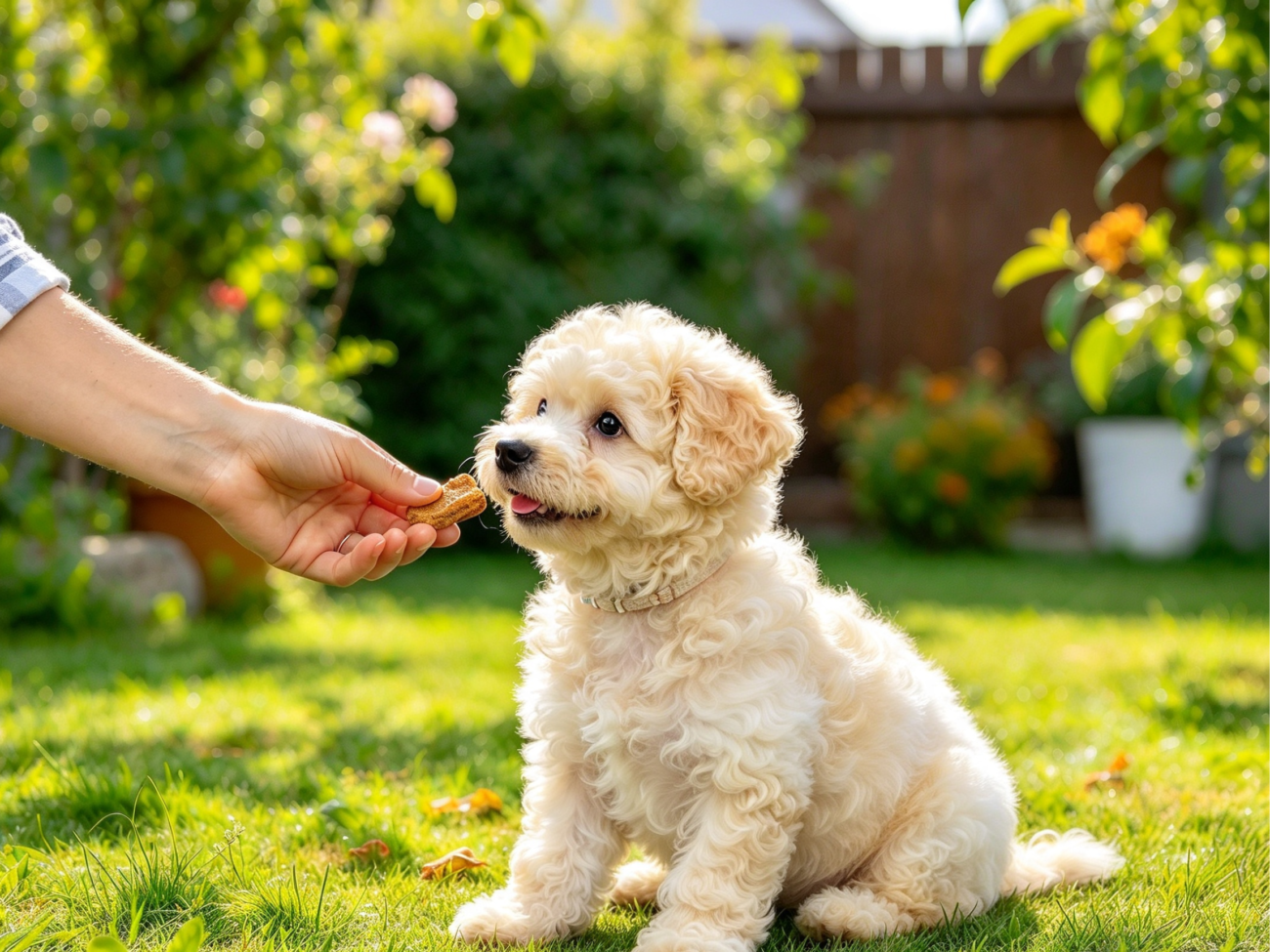
Bringing home a new puppy is exciting, but let’s be honest: the puddles on the floor are less charming. Potty training is one of the first challenges every new owner faces, and it can feel overwhelming at the start. The good news is that puppies are eager to learn, and with a consistent routine, patience, and plenty of praise, most of them get the hang of it within a few weeks to a few months. Here’s everything you need to know to get started.
How Long Does Potty Training Take?
Every puppy is different, but most need anywhere from four to six months to become reliably house trained. Some pick it up faster, while others, especially small breeds, may take up to a year. Age matters too: puppies under about 12 weeks have very little bladder control, so accidents at this stage are completely normal.
The key is to focus on progress, not perfection. Expect setbacks, and don’t take them personally.
What You’ll Need
A few simple supplies make the process much easier.
- A crate or playpen to help your puppy learn bladder control when you can’t supervise.
- High-value treats to reward your puppy immediately after they go in the right spot.
- Enzymatic cleaner to fully remove odors from accidents. Regular cleaners often leave a scent that draws your puppy back to the same spot.
- A leash and collar or harness for taking your puppy outside.
- Patience and a good sense of humor.
The Golden Rules of Potty Training
Before diving into the steps, keep these core principles in mind.
- Take your puppy out often. Frequent trips outside are the fastest way to prevent accidents.
- Reward immediately. Praise and treats must come right after your puppy finishes, while they’re still outside.
- Supervise closely. A puppy who is watched can be guided outside in time. A puppy left alone in the house will find a corner.
- Stay consistent. Same door, same spot, same words, every time.
- Never punish accidents. Scolding teaches your puppy to fear you, or to hide when they need to go.
Step-by-Step: How to Potty Train Your Puppy
1. Set a Regular Schedule
Puppies thrive on routine. Feed them at the same times each day, since what goes in on a schedule comes out on a schedule. Avoid leaving food out all day, and pick up the water bowl about two hours before bedtime.
2. Take Them Out at the Right Times
Take your puppy outside:
- First thing in the morning
- After every meal
- After naps
- After playtime
- Before bedtime
- Every one to two hours in between, for very young puppies
A helpful rule of thumb is that a puppy can hold their bladder for about one hour per month of age, plus one. A three-month-old can typically wait around four hours, though very young pups need far more frequent breaks.
3. Choose a Designated Potty Spot
Take your puppy to the same area every time. The smell of previous visits will encourage them to go. Stay with them, and avoid playing or chatting until they’ve finished. Keep the outing calm and focused.
4. Use a Cue Word
As your puppy starts to go, say a simple phrase like “go potty” or “do your business” in a calm voice. Over time, they’ll associate the words with the action, which makes it easier to ask them to go on command.
5. Reward Right Away
The moment your puppy finishes, praise them warmly and give a treat. Timing is everything. If you wait until you’re back inside, they won’t connect the reward with going outside.
6. Supervise Indoors
When your puppy is inside, keep them in sight. Watch for signs that they need to go, such as:
- Sniffing the floor
- Circling
- Whining or pacing
- Heading to the door
- Suddenly stopping play
If you see these signs, calmly take them outside right away.
7. Use the Crate When You Can’t Watch
Puppies rarely soil the place where they sleep, so a properly sized crate helps them learn to hold it. The crate should be big enough to stand up, turn around, and lie down, but not so large that they can use one end as a bathroom. Take your puppy out immediately after they leave the crate.
8. Handle Nighttime
Young puppies can’t sleep through the night at first. Expect to take them out once or twice, with a quiet, low-key trip outside and no playing. Gradually, they’ll be able to sleep longer stretches as their bladder grows.
What to Do When Accidents Happen
Accidents are part of the process, so stay calm.
- If you catch them in the act, interrupt with a calm “oops” and quickly take them outside. Reward if they finish there.
- If you find it later, don’t scold. Your puppy won’t understand what they did wrong.
- Clean thoroughly with an enzymatic cleaner to remove the smell.
- Review your schedule. More accidents usually mean more frequent trips are needed.
Common Mistakes to Avoid
- Punishing accidents. This creates fear and slows progress.
- Giving too much freedom too soon. Expand access to the house gradually as your puppy proves reliable.
- Skipping trips outside. Consistency prevents most accidents.
- Using ammonia-based cleaners. They can smell like urine and encourage repeat accidents.
- Comparing your puppy to others. Every dog learns at their own pace.
Potty Training in Apartments
If you don’t have a yard, the same rules apply. Take your puppy out on a leash to a consistent spot, and be prepared for quick trips, especially in the early weeks. Some owners also use pee pads or a grass patch for emergencies, but keep in mind that this can slow down learning to go outdoors, so use them only when needed.
When to Call the Vet
If your puppy seems to be having frequent accidents despite a solid routine, strains to urinate, has blood in their urine, or drinks excessively, contact your veterinarian. Urinary tract infections and other medical issues can mimic training problems and need proper treatment.
Final Thoughts
Potty training takes time, but it’s one of the most rewarding milestones with a new puppy. Stay consistent, celebrate every success, and shrug off the setbacks. With a clear routine and plenty of patience, your puppy will soon understand what’s expected, and you’ll both enjoy a cleaner, calmer home.