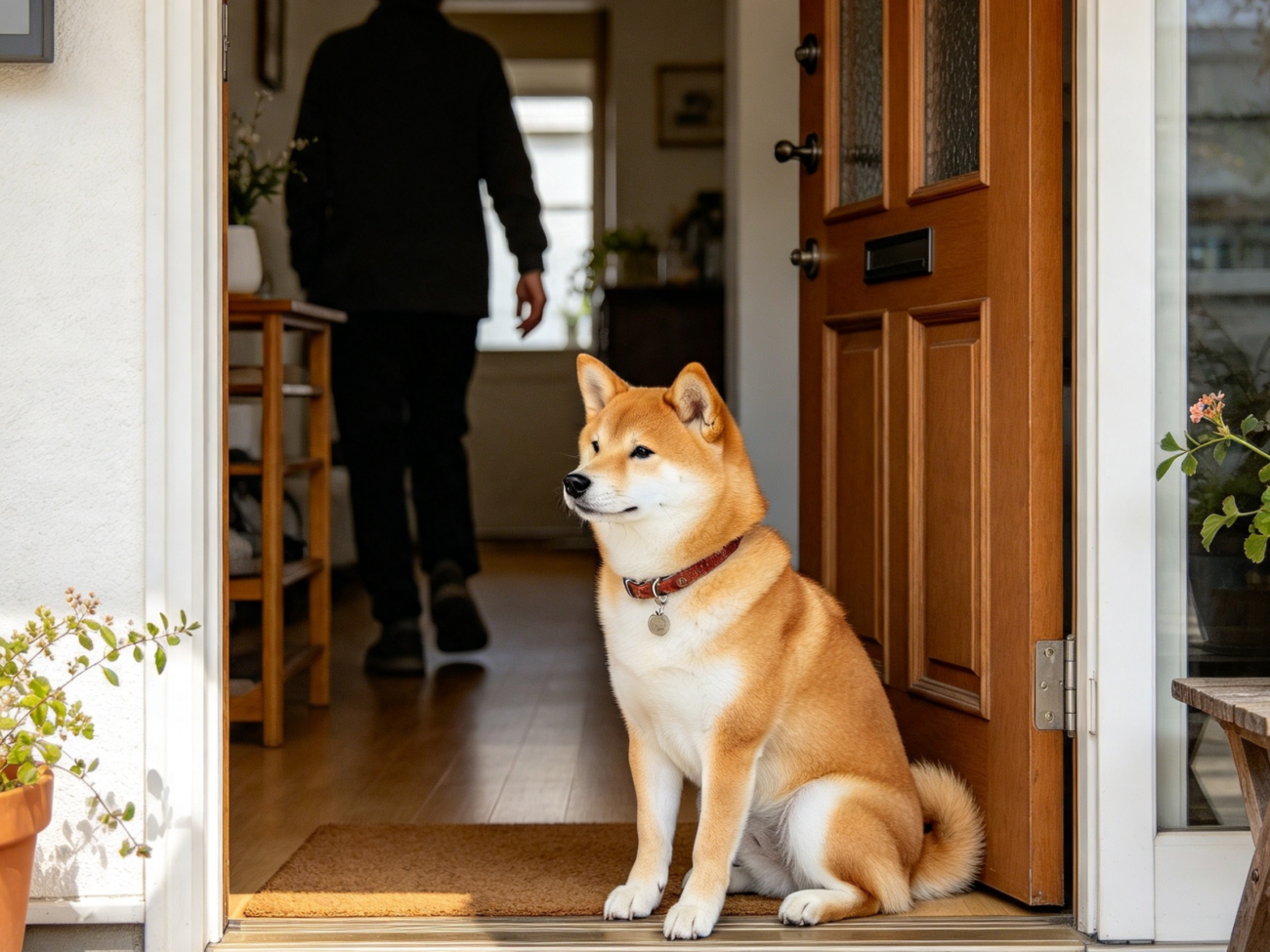
The doorbell rings, your dog goes wild, and within seconds your guest is being greeted by two muddy paws on their clean clothes. Jumping is one of the most common behavior problems dog owners face, and it can be embarrassing, messy, and even dangerous for children, seniors, or anyone who isn’t expecting a furry tackle. The good news is that jumping is a habit, and habits can be changed. With a little consistency and the right approach, you can teach your dog to greet visitors politely with all four paws on the floor.
Why Do Dogs Jump on People?
Jumping isn’t a sign of disrespect or dominance. It’s usually much simpler than that.
- They want attention. Jumping puts your dog closer to your face, and any reaction, even pushing them away or scolding, counts as attention.
- They’re excited. Guests arriving is thrilling, and jumping is how many dogs release that energy.
- It has worked before. If jumping has ever earned pets, laughs, or treats, your dog will keep doing it.
- They were never taught an alternative. Dogs don’t automatically know that sitting is the polite way to say hello.
Puppies often jump because it’s how they greet adult dogs, and it’s adorable when they’re small. The problem starts when no one teaches them otherwise and they grow into a 60-pound greeter.
The Golden Rule: Don’t Reward Jumping
The most important step is to make sure jumping never pays off. That means:
- No petting while your dog is jumping
- No eye contact or talking
- No pushing or grabbing, since dogs often interpret this as play
- No shouting, which can make them more excited
Attention of any kind reinforces the behavior. The message you want to send is simple: four paws on the floor gets attention, jumping gets nothing.
Step-by-Step: Teaching Your Dog to Stop Jumping
1. Teach a Solid Sit
Sitting is the perfect replacement behavior because a dog can’t jump and sit at the same time. Practice “sit” daily, in different rooms, and with growing distractions until your dog responds reliably.
2. Reward Four Paws on the Floor
Whenever your dog approaches you calmly, say “Yes!” and give a treat or gentle praise. Catching them being calm teaches them exactly which behavior earns your attention.
3. Turn Away When They Jump
The moment your dog jumps up, fold your arms, turn your back, and stay quiet. Don’t say anything. The second all four paws touch the floor, turn back and reward. If they jump again, repeat. Your dog will quickly learn that jumping makes the fun disappear.
4. Ask for a Sit Before Any Greeting
Make it a rule that every greeting begins with a sit. Whether it’s you coming home, a family member arriving, or a visitor at the door, your dog must sit before receiving attention. Consistency turns this into a habit.
5. Practice With Real Guests
Once your dog understands the game, it’s time to practice with visitors. Ask friends or family to help, and give them clear instructions:
- Ignore the dog until all four paws are on the floor
- Turn away if the dog jumps
- Greet calmly and offer a treat for sitting
Start with people your dog knows, then move on to less familiar visitors.
6. Rehearse the Doorbell
For many dogs, the doorbell is the biggest trigger. Practice it on purpose:
- Ring the bell yourself, or play a recording of it.
- Ask your dog to sit.
- Reward calm behavior, then open the door.
- If your dog gets up, close the door and start again.
Repeat many times over several days until the doorbell no longer signals chaos.
Management Tools That Make Training Easier
While your dog is still learning, a little management prevents them from practicing the jumping habit.
- Use a leash or house line. Keeping your dog on a leash during greetings gives you control without needing to grab them.
- Use a baby gate or playpen. Let them settle in a separate space, then bring them out once guests are inside and calm.
- Provide a chew toy. A stuffed toy or long-lasting chew gives your dog something else to focus on when visitors arrive.
- Exercise first. A walk or play session before guests come over helps burn off excess energy.
Common Mistakes to Avoid
- Kneeing or pushing the dog away. This can hurt your dog and often turns into a game.
- Being inconsistent. If it’s okay for you to be greeted with jumps but not your guests, your dog will be confused.
- Letting guests break the rules. Explain the plan beforehand. One person who says “oh, I don’t mind!” can undo weeks of progress.
- Yelling “off” repeatedly. Words alone don’t teach what to do instead, and shouting adds to the excitement.
- Expecting instant results. Changing a strong habit takes weeks of steady practice.
What About Small Dogs?
Jumping from small dogs often gets excused because it seems harmless, but the same rules apply. Allowing a small dog to jump teaches them that it’s acceptable, and mixed messages confuse them. Train them exactly the same way you would a large dog.
When to Get Extra Help
If your dog jumps to the point of scratching or knocking people over, or if the excitement turns into nipping, mouthing, or overwhelming arousal that you can’t interrupt, a certified professional trainer can offer tailored support. Some dogs need more structured impulse control training to succeed.
Final Thoughts
Stopping your dog from jumping on guests isn’t about scolding or controlling them. It’s about showing them what you’d like them to do instead, and rewarding them every time they get it right. Stay calm, stay consistent, and celebrate the small victories. Before long, you’ll be opening the door to a calm, tail-wagging greeter who keeps all four paws firmly on the ground.