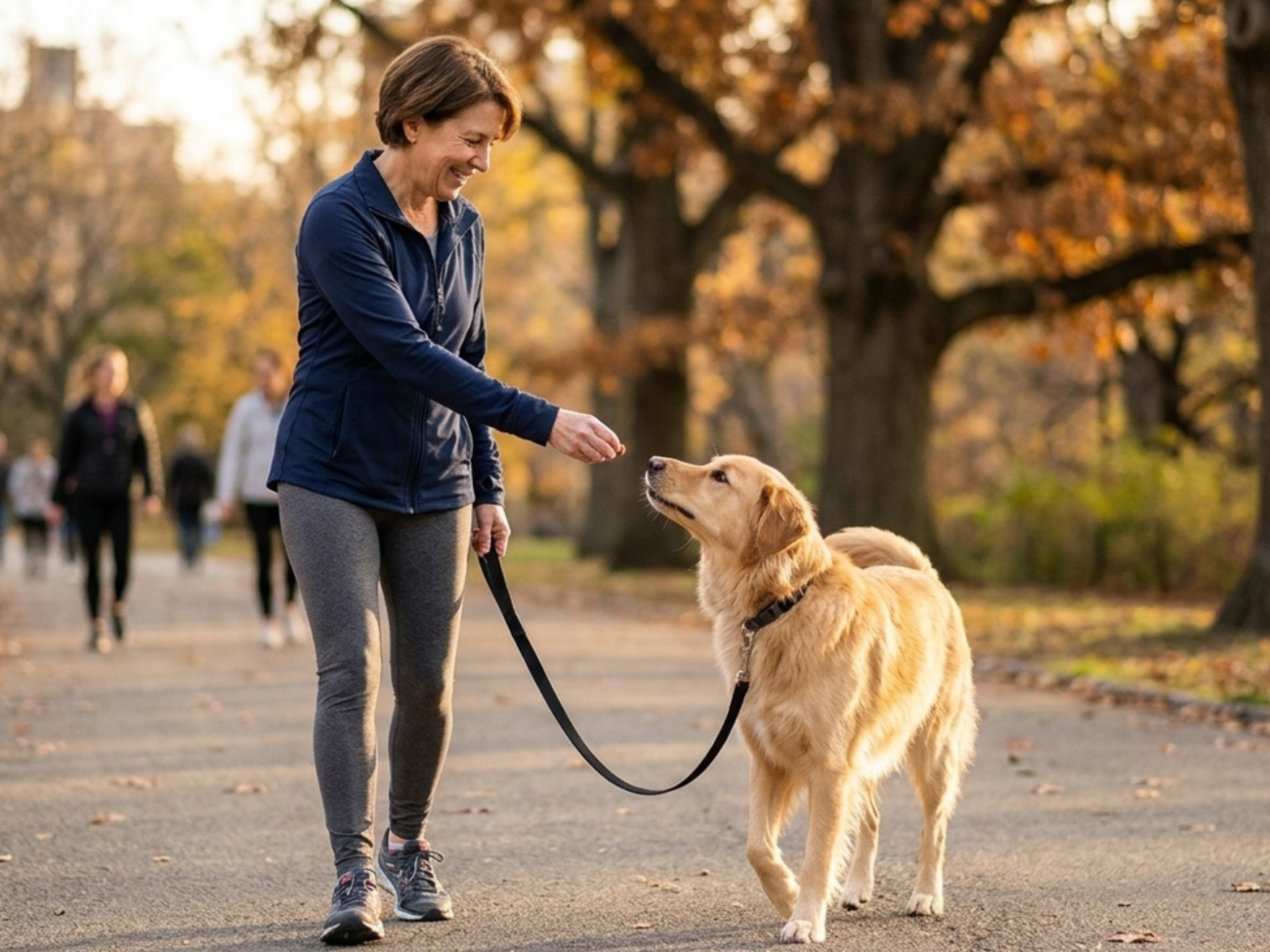
If your daily walk feels more like a tug-of-war than a relaxing stroll, you are far from alone. Learning how to stop dog pulling on leash is one of the most common challenges dog owners face. This habit can turn an enjoyable outing into a stressful, even painful experience.
The good news? It is completely fixable. With the right approach, patience, and consistency, you can teach your dog to walk calmly by your side. Here is your step-by-step guide to stop dog pulling on leash for good.
Table of Contents
Why Dogs Pull on the Leash
Before you can fix the problem, it helps to understand why it happens. Dogs do not pull out of stubbornness or a desire to dominate. According to training studies by the American Kennel Club, dogs naturally move at a faster pace than humans, which makes pulling feel natural to them unless trained otherwise. They pull because:
- They are excited: The outside world is full of interesting smells, sights, and sounds.
- Their natural pace is faster: Moving quickly is their default state.
- It works: Every time pulling gets them closer to a tree or fire hydrant, the behavior is reinforced.
- They were never taught otherwise: Loose-leash walking is a learned skill that requires proper training.
Once you realize that pulling is simply a habit, it becomes much easier to stop dog pulling on leash.
Choosing the Right Gear to Stop Dog Pulling on Leash
The right equipment will not solve the issue on its own, but it makes training significantly easier and safer:
- Front-clip harness: Gently redirects your dog toward you when they pull, discouraging forward momentum without causing pain.
- Standard 4-to-6-foot leash: Gives you control while offering enough freedom. Avoid retractable leashes, as they actually teach dogs that pulling extends their leash.
- High-value training treats: Tiny pieces of chicken, cheese, or soft treats are essential to keep your dog focused at you.
Avoid choke chains, prong collars, or shock devices. These tools can cause physical harm and anxiety, and they fail to teach your dog what behavior you actually want. If your puppy is still learning house rules, check out our guide on How to Crate Train Your Puppy Without Stress.
Step-by-Step: How to Stop Dog Pulling on Leash
Step 1: Start in a Low-Distraction Environment
Begin practicing indoors or in your quiet backyard. Your dog cannot master a new skill if they are overwhelmed by the stimuli of the neighborhood. For extra mental focus, try incorporating tips from our guide on 5 Simple Ways to Keep Your Dog Mentally Stimulated at Home.
Step 2: Reward the “Heel” Position
Hold a treat at your hip. Every time your dog stands or walks beside you with a slack leash, say “Yes!” and deliver a reward. Doing this frequently teaches your dog that staying close to you is the most rewarding spot to be. To build foundational obedience, practice sessions using our guide on How to Teach Dog to Sit Stay Lie Down.
Step 3: Become a Tree When the Leash Goes Tight
The moment you feel tension on the leash, stop walking immediately. Stand completely still like a statue. Do not yank or scold. Wait until your dog releases the tension—either by looking back at you or stepping toward you—then mark the moment with a treat and resume walking.
Step 4: Use the Direction Change Technique
If your dog continues to lunge ahead, turn around and walk in the opposite direction. Your dog will have to turn to follow you. This method effectively interrupts forward momentum and teaches them to pay attention to your direction.
Step 5: Reward Frequently and Fade Slowly
At the beginning, reward every 2 to 3 calm steps. As your dog improves, gradually increase the distance between rewards. Over time, praise and “sniff breaks” can replace constant food rewards. If your dog also struggles with recall during outdoor adventures, review our tips on Dog Recall Training.
How to Stop Dog Pulling on Leash: Quick Comparison Guide
| Strategy | What to Do | Why It Works |
|---|---|---|
| Be a Tree | Stop moving the moment the leash is tight | Teaches that pulling stops all forward movement |
| Turn Around | Walk in the opposite direction when pulling starts | Encourages your dog to monitor your position |
| High-Value Rewards | Treat at your hip for loose leash walking | Makes staying by your side more rewarding than sniffing ahead |
Common Mistakes to Avoid
- Allowing occasional pulling: Consistency is everything. If your dog pulls even once and gets rewarded by reaching their goal, it resets your progress.
- Using a retractable leash: These teach dogs that pulling lengthens the tether.
- Yanking the leash: Sharp jerks can injure your dog’s neck and trigger a flight response.
Final Thoughts
Learning how to stop dog pulling on leash requires patience and daily consistency. By swapping out frustrating habits for positive reinforcement, clear boundaries, and the right gear, you will transform chaotic walks into peaceful bonding moments with your canine companion!