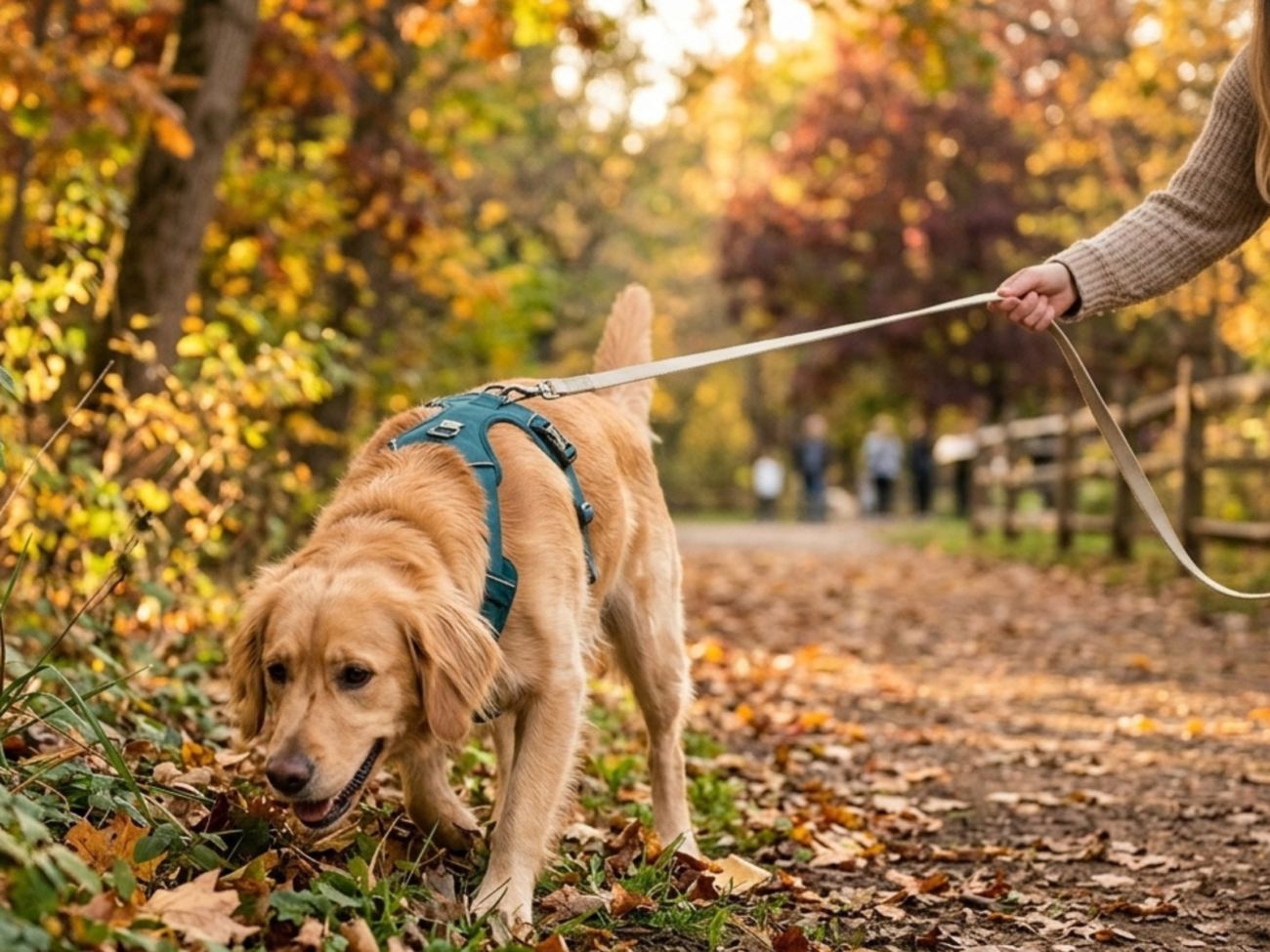
A sniffari for dogs is rapidly changing how pet owners approach daily exercise, turning routine walks into powerful mental enrichment sessions. Have you ever lost your patience because your dog stops every few feet to sniff a patch of grass or a lamppost? This is a very common experience for pet parents. However, preventing a dog from sniffing is the equivalent of asking a human to walk around with their eyes closed.
In this guide, you will learn why organizing a sniffari for dogs is essential for your pet’s physical and emotional well-being, and how to start doing it today. If you want more tips on canine well-being, check out our guide on how often to bathe your dog.
What Exactly is a Sniffari for Dogs?
The word sniffari is a blend of the words “Sniff” and “Safari”.
A sniffari for dogs is not a power walk or a fitness workout; instead, it is a walk entirely guided by your dog’s nose. During a sniffari, your canine companion chooses the pace, the direction (within safe boundaries), and how long they want to explore a specific scent.
While traditional walks focus on physical exertion, a sniffari for dogs focuses on mental and olfactory enrichment.
4 Major Benefits of a Sniffari for Dogs
1. Immediate Stress and Anxiety Reduction
A dog’s sense of smell is their primary way of processing the world. Dogs have around 300 million olfactory receptors in their noses, compared to just 5 million in humans. According to canine medical research on VCA Animal Hospitals, engaging in deep sniffing activates the parasympathetic nervous system, lowering a dog’s heart rate naturally and releasing feel-good hormones like endorphins.
2. Powerful Mental Stimulation
Did you know that 15 minutes of scent work can tire a dog out as much as an hour-long physical run? Processing complex olfactory information requires significant brainpower. A sniffari for dogs allows your pet to exercise their brain, ensuring they return home1 noticeably calmer and more relaxed. For more ideas on keeping your pup entertained at home, read our post on 5 simple ways to keep your dog mentally stimulated.
3. Boosts Confidence in Anxious Dogs
For nervous, reactive, or fearful dogs, exploring their environment through scent allows them to process potential triggers from a safe distance. Studies published on PetMD show that giving dogs choices during walks increases their confidence and gives them a sense of control over their surroundings, significantly reducing anxiety.
4. Fulfills Natural Species-Specific Needs
Sniffing, exploring, and scent-marking are fundamental natural behaviors. Allowing your companion the freedom to engage in a sniffari for dogs respects their natural instincts and improves their overall quality of life.
How to Set Up a Sniffari for Dogs in 3 Simple Steps
Transforming your daily routine into an enriching sniffari for dogs is straightforward:
- Use the Right Gear: Swap out tight collars for a comfortable Y-shaped harness paired with a long leash (10 to 15 feet / 3 to 5 meters). Avoid short leashes or choke collars, which create unnecessary tension when your dog stops.
- Let Your Dog Lead: Put your phone away and follow your dog’s interest. If they want to spend three full minutes exploring a single bush, let them! To a dog, that is the equivalent of reading the daily news.
- Pick the Right Location: Parks, quiet trails, and green spaces are ideal, but even a quiet suburban street works well for a sniffari for dogs.
Should You Stop Teaching “Heel”?
Not at all! It is important to distinguish between two types of walking:
- Structured Walking (Heel): Essential for safety when navigating crowded streets or crossing roads. To practice this, learn how to teach your dog to come when called.
- Decompression Walking (Sniffari): Essential for your dog’s emotional balance and mental health.
An effective approach is using a specific verbal cue (like “Go sniff!”) so your dog knows when they are working and when they are free to enjoy their sniffari for dogs.
Final Thoughts on the Sniffari for Dogs
Giving your dog a sniffari for dogs requires no special equipment—just a bit of patience and a shift in perspective. The next time your dog pauses to sniff during a walk, remember that they are experiencing the world in the way nature intended!