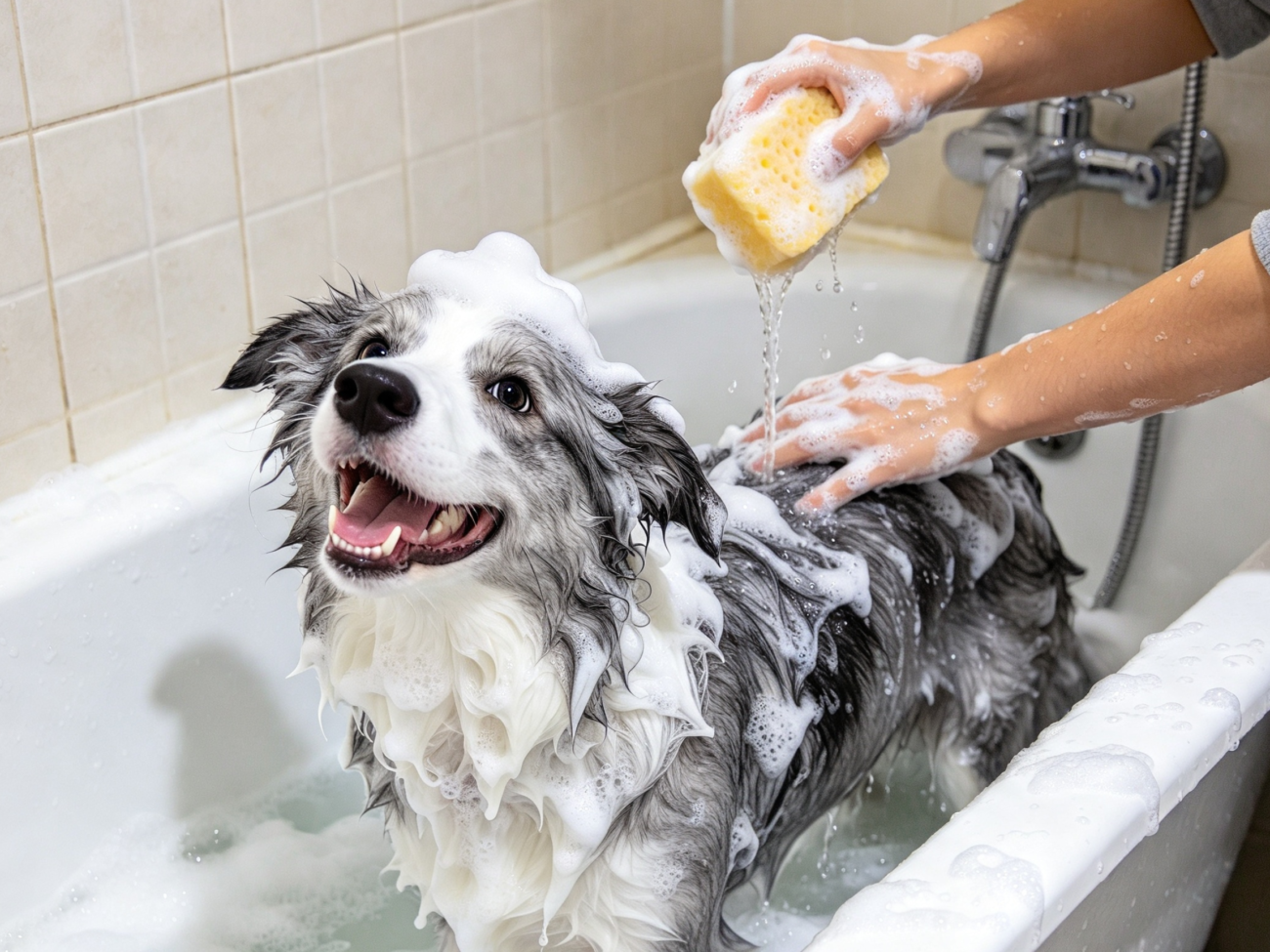
Ask ten dog owners how often they bathe their dogs, and you’ll probably get ten different answers. Some wash their pups every week, while others go months without a single bubble. So who’s right? The truth is that there’s no one-size-fits-all schedule. The ideal bath frequency depends on your dog’s coat, lifestyle, skin, and health. Bathe too little and your dog can get smelly and itchy. Bathe too much and you can strip away the natural oils that keep their skin healthy. Here’s how to find the right balance.
The Short Answer
For most healthy dogs, a bath every four to eight weeks is a good starting point. That said, some dogs need one more often, and others can go much longer. Think of this range as a guideline, not a rule.
Factors That Affect How Often to Bathe Your Dog
Coat Type
Your dog’s coat plays a big role in how often they need a wash.
- Short, smooth coats (Beagles, Boxers, Pit Bulls, Chihuahuas) don’t trap much dirt and usually need a bath only every one to two months, or when they’re visibly dirty.
- Double coats (Golden Retrievers, Huskies, German Shepherds) benefit from regular brushing more than frequent baths. Washing them too often can affect the coat’s natural insulation. Every two to three months is often enough.
- Long or curly coats (Poodles, Shih Tzus, Doodles) tend to tangle and hold dirt, so they may need a bath every three to six weeks, along with regular grooming.
- Hairless breeds (Chinese Crested, Xoloitzcuintli) produce oils directly on the skin and may need more frequent baths, sometimes weekly, to prevent buildup.
- Wrinkly dogs (Bulldogs, Pugs, Shar-Peis) need extra attention to skin folds, where moisture and bacteria can collect.
Activity Level and Lifestyle
A dog who spends the day rolling in mud, swimming in lakes, or exploring the woods will need more baths than a dog who mostly lounges on the couch. If your dog gets dirty or smelly between scheduled baths, a wash is perfectly fine.
Skin Conditions and Allergies
Some dogs have skin problems that require medicated shampoos and more frequent bathing. In these cases, follow your veterinarian’s advice, since the schedule may be very different from the average.
Age and Health
Puppies and senior dogs may have more sensitive skin, so they often need gentler products and less frequent baths. Dogs with certain health issues or on specific medications may also need special care.
Signs Your Dog Needs a Bath
Instead of following a strict calendar, you can also let your dog tell you. Look for these signs:
- A noticeable odor that doesn’t go away with brushing
- Visible dirt, mud, or sticky substances on the coat
- Greasy or oily fur
- Excessive scratching caused by dirt or debris (not skin disease)
- Matting or tangles that need to be softened before brushing
- Contact with something smelly, like a dead animal or garbage
What Happens If You Bathe Too Often?
Overbathing is one of the most common mistakes dog owners make. Frequent washing can:
- Strip natural oils from the skin and coat
- Cause dryness, flaking, and itchiness
- Lead to irritation or redness
- Disrupt the skin’s natural protective barrier
- Leave the coat dull and brittle
If your dog seems itchy after baths, you may be washing too often, or using a product that’s too harsh.
What Happens If You Don’t Bathe Enough?
On the flip side, skipping baths for too long can also cause problems, including:
- Strong body odor
- Buildup of dirt, oil, and dead skin
- Matted fur, especially in long-haired breeds
- Skin irritation or infections
- Parasites hiding in a dirty coat
Regular grooming and the occasional bath keep your dog comfortable and help you spot skin issues early.
How to Bathe Your Dog the Right Way
A good bath isn’t just about soap and water. Follow these steps for the best results.
1. Brush First
Remove tangles and loose hair before the bath. Wet mats get tighter and harder to remove.
2. Use Lukewarm Water
Avoid water that’s too hot or too cold. Lukewarm is comfortable and safe for your dog’s skin.
3. Choose a Dog-Specific Shampoo
Never use human shampoo. Dogs have a different skin pH, and human products can cause dryness and irritation. Look for gentle, dog-friendly formulas, and choose a medicated or hypoallergenic option if your dog has sensitive skin.
4. Wet, Lather, and Massage
Wet your dog thoroughly, apply shampoo, and gently massage it in, avoiding the eyes, ears, and nose. Take your time and keep the experience calm and positive.
5. Rinse Thoroughly
Leftover shampoo is a common cause of itching. Rinse until the water runs completely clear.
6. Dry Well
Towel dry your dog and, if they tolerate it, use a blow dryer on a low, cool setting. Make sure to dry between the toes and in skin folds to prevent moisture buildup.
7. Reward Generously
Offer treats and praise throughout the process. A positive experience makes future baths much easier.
Tips to Keep Your Dog Clean Between Baths
You don’t have to rely on baths alone. A few simple habits can keep your dog fresh in between.
- Brush regularly. Brushing removes dirt, distributes natural oils, and reduces shedding.
- Wipe with a damp cloth or pet-safe wipes after muddy walks.
- Clean paws after outdoor walks, especially in rainy or snowy weather.
- Wash bedding often. A clean bed means a cleaner dog.
- Use dry shampoo for dogs for quick touch-ups.
- Keep ears and teeth clean to reduce odors at the source.
When to Ask Your Vet or Groomer
If your dog has a persistent odor, constant itching, hair loss, redness, or flaky skin, talk to your veterinarian. These symptoms may point to allergies, infections, or other health problems that bathing alone won’t fix. A professional groomer can also recommend a routine tailored to your dog’s breed and coat.
Final Thoughts
There’s no magic number for how often to bathe your dog. Most healthy dogs do well with a bath every month or two, but coat type, lifestyle, and skin health all make a difference. Pay attention to your dog’s smell, coat, and comfort, and adjust as needed. With a little observation and the right products, you’ll keep your dog clean, healthy, and happy without going overboard.