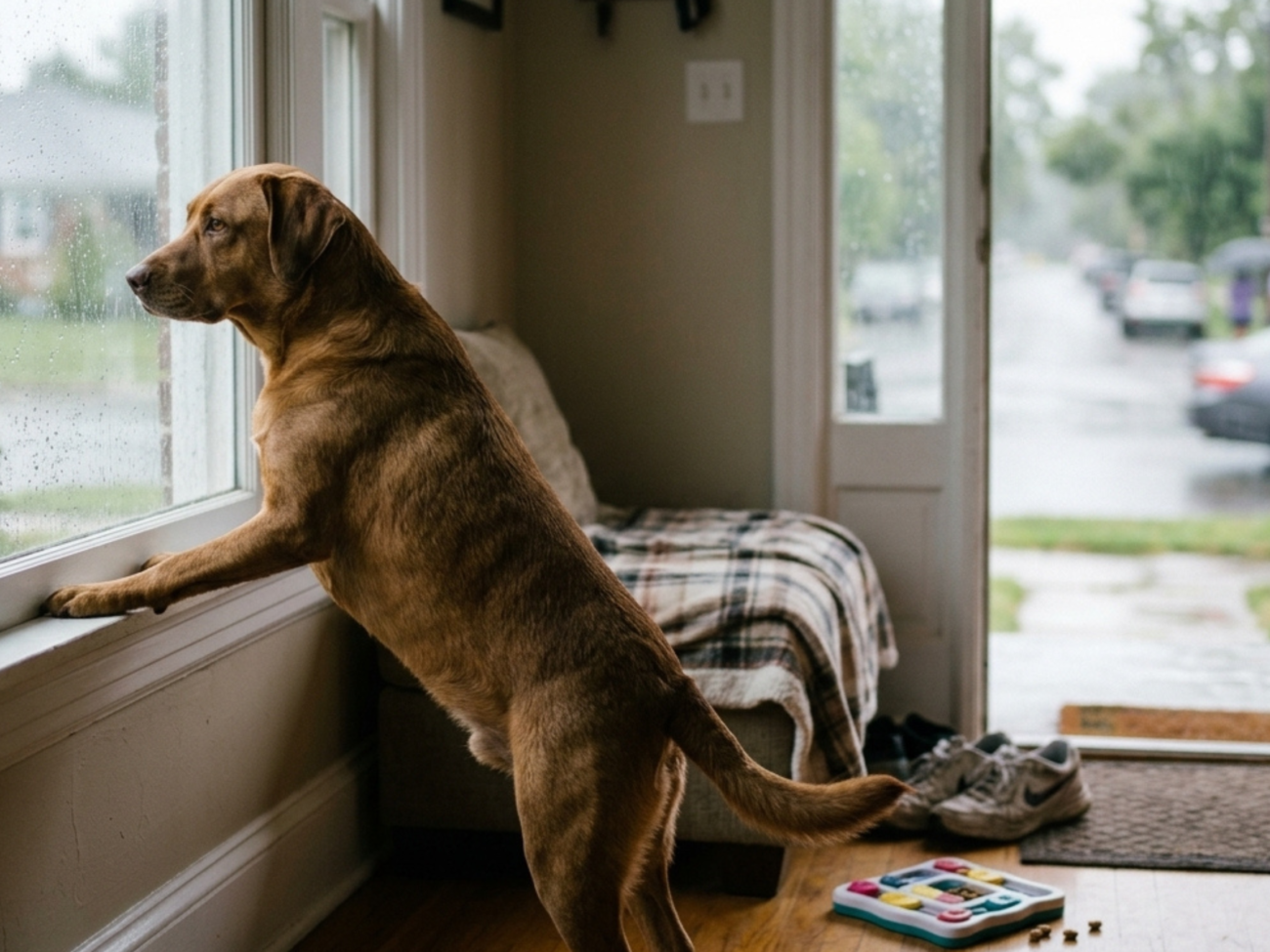
Dealing with dog separation anxiety is one of the most stressful challenges for dog owners. When left alone, anxious dogs may bark excessively, chew furniture, or pace continuously near the front door. Have you ever come home to find destroyed household items or complaints from neighbors about non-stop barking?
In this guide, you will learn why dog separation anxiety happens and 5 simple, effective steps you can take to help your furry friend feel safe and secure when alone.
Table of Contents
What Causes Dog Separation Anxiety?
Dog separation anxiety occurs when a dog experiences extreme distress from being separated from their owner or family members.
Dogs are naturally social pack animals. Sudden changes in routine, moving to a new home, or spending extended periods attached to an owner during working hours can trigger panic when left alone. Recognizing these behavior patterns early is key to successful training.
5 Simple Steps to Reduce Dog Separation Anxiety
1. Practice Short “Departure Desensitization” Exercises
Dogs are quick to recognize exit cues like grabbing your keys, putting on your coat, or picking up a bag. To break this anxiety trigger, perform these actions periodically throughout the day without actually leaving the house. This teaches your dog that those cues do not always mean you are leaving.
2. Offer High-Value Distractions Before Leaving
Provide an engaging puzzle toy filled with treats right as you walk out the door. Licking and chewing naturally release soothing endorphins in a dog’s brain. For safe and tasty options, try our guide on Healthy Dog Treats or use an interactive toy filler.
3. Create a Calm, Low-Key Exit and Arrival Routine
Avoid making a big fuss when leaving or returning home. Emotional goodbyes and overly excited greetings can heighten your dog’s emotional state, making your departure feel like a major event. Keep departures neutral and wait until your dog is relaxed before giving affection upon arrival.
4. Provide Adequate Exercise Before Leaving
A tired dog is a relaxed dog. Engaging your pup in a solid physical and mental workout before you leave burns off excess energy. Take them on an enriching outdoor walk or provide mental games—such as our recommended 5 Simple Ways to Keep Your Dog Mentally Stimulated at Home—to promote mental fatigue and natural rest.
5. Build Independence Inside the House
Encourage your dog to rest comfortably in another room while you are home. Use place training cues or baby gates to create gentle physical boundaries. Teaching your dog that they are safe even when you are not in the same room is a fundamental step in overcoming dog separation anxiety. If excessive vocalization is a problem, learn How to Stop Excessive Dog Barking.
When to Seek Professional Help
According to veterinary behavior experts at PetMD, severe cases of dog separation anxiety may require structured desensitization protocols or professional assistance. If your dog inflicts self-injury, attempts dangerous escapes, or exhibits continuous distress, consult a certified professional dog trainer or veterinary behaviorist for tailored support.
Final Thoughts on Dog Separation Anxiety
Overcoming dog separation anxiety takes time, consistency, and patience. By making gradual adjustments to your routine and creating a safe, calm environment, you can help your dog build confidence and enjoy peaceful alone time!