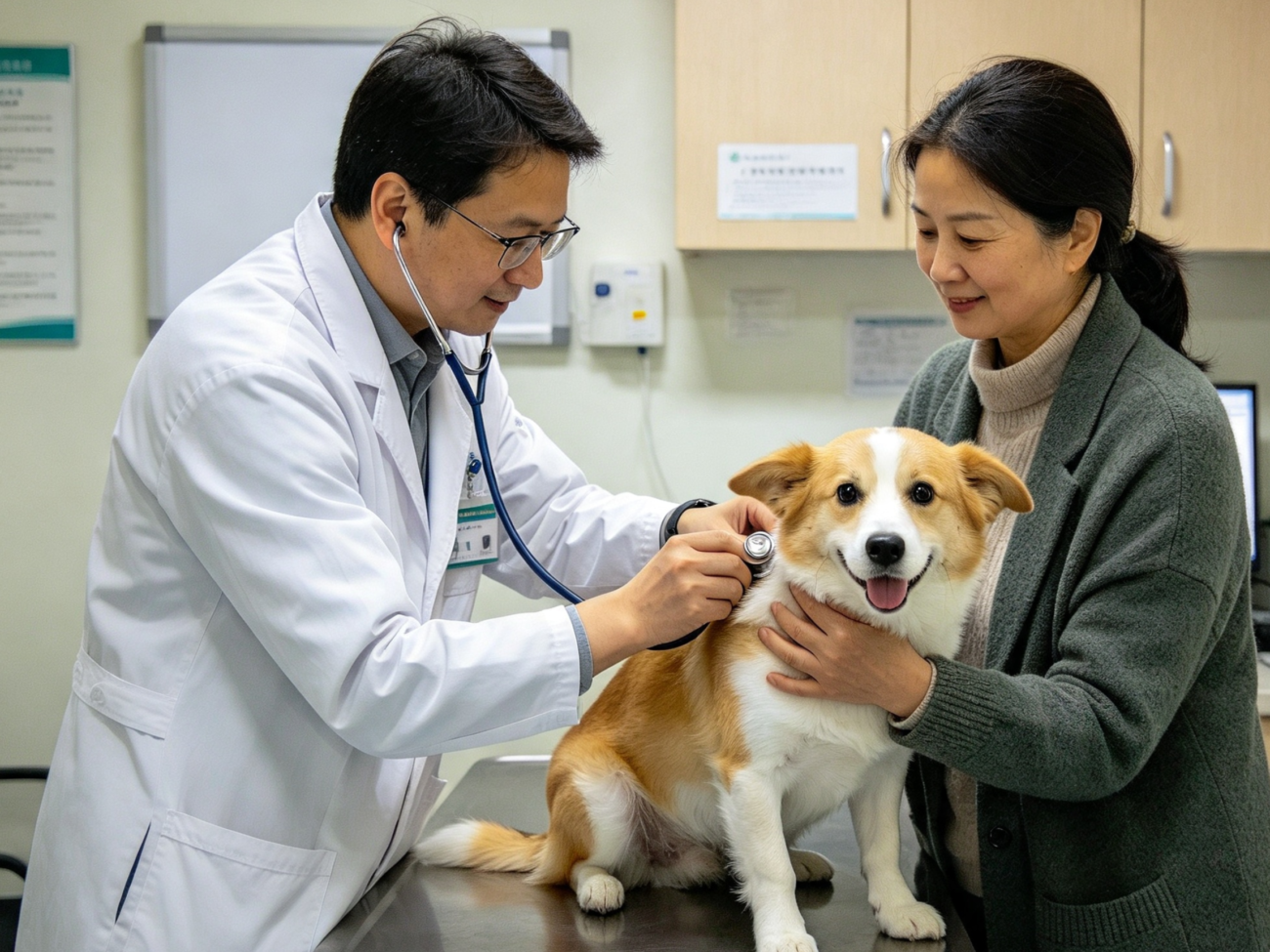
Dogs can’t tell us when something hurts. Instinct tells them to hide pain and discomfort, which means that by the time a problem becomes obvious, it may already be serious. That’s why paying attention to small changes in your dog’s behavior, appetite, and body can make a real difference. Knowing when to call the vet can catch problems early, ease your dog’s suffering, and sometimes save their life. Here are six signs your dog needs to see a vet.
1. Changes in Appetite or Water Intake
A dog who skips a meal now and then isn’t necessarily sick, but a real change in eating and drinking habits deserves attention.
- Refusing food for more than 24 hours, or eating far less than usual
- Sudden increase in appetite with no change in routine
- Drinking much more water than normal, or constantly emptying the bowl
- Refusing water altogether
Increased thirst can be linked to conditions like diabetes, kidney disease, or infections. A dog who won’t eat or drink can become dehydrated quickly, especially puppies, small breeds, and senior dogs.
2. Vomiting or Diarrhea That Won’t Stop
An occasional upset stomach is common, especially if your dog ate something unusual. But repeated or severe digestive problems are a different story.
Call your vet if your dog:
- Vomits more than once or twice in a day
- Has diarrhea lasting more than 24 to 48 hours
- Has blood in vomit or stool, or stool that looks black and tarry
- Seems weak, lethargic, or in pain along with digestive symptoms
- Is trying to vomit but nothing comes up, especially with a swollen belly, which can signal a life-threatening emergency
Puppies and small dogs can dehydrate very quickly, so don’t wait long if they’re affected.
3. Unusual Lethargy or Behavior Changes
You know your dog better than anyone. If they suddenly seem “off,” trust your instincts.
Warning signs include:
- Unusual tiredness or reluctance to play, walk, or move
- Hiding or withdrawing from the family
- Sudden aggression or irritability, especially if it’s out of character
- Confusion, disorientation, or pacing
- Restlessness at night, particularly in older dogs
Behavior changes are often the first clue that something is wrong. Pain, infections, hormonal problems, and neurological issues can all show up this way.
4. Limping, Stiffness, or Difficulty Moving
Dogs often try to hide pain, so even mild signs of discomfort matter.
- Limping that lasts longer than a day, or appears suddenly
- Reluctance to jump, climb stairs, or get up from lying down
- Stiffness, especially after resting
- Yelping when touched or picked up
- Licking or chewing at a specific joint or paw
These can point to injuries, arthritis, joint problems, or other conditions. If your dog suddenly can’t put weight on a leg, or has dragging or weak back legs, see a vet right away.
5. Changes in Breathing, Coughing, or Sneezing
Breathing problems should never be ignored.
Seek veterinary care if your dog has:
- Labored or noisy breathing, or breathes with obvious effort
- Rapid breathing while resting
- Persistent coughing or gagging
- Frequent sneezing or nasal discharge
- Pale, blue, or grey gums, which can indicate a serious emergency
Some breeds, such as Bulldogs, Pugs, and other flat-faced dogs, are more prone to breathing problems, so it’s especially important to watch them closely. Difficulty breathing is always an emergency.
6. Changes in Eyes, Ears, Skin, or Coat
Many health problems show up on the outside first. A quick weekly check can help you spot them early.
- Red, cloudy, or discharging eyes, or squinting and pawing at the face
- Head shaking, scratching the ears, bad smell, or discharge from the ears
- Persistent scratching, licking, or chewing at the skin
- Hair loss, red patches, scabs, or hot spots
- New lumps, bumps, or growths that are growing or changing
- Dull, brittle coat or sudden excessive shedding
Not every lump is dangerous, but only a vet can tell for sure. Early detection makes a big difference.
Emergency Signs: Don’t Wait
Some symptoms require immediate veterinary care, day or night. Head to an emergency clinic if your dog has:
- Difficulty breathing or collapse
- Seizures
- Suspected poisoning, such as eating chocolate, grapes, xylitol, medications, or toxic plants
- A swollen, hard belly with unproductive retching
- Severe bleeding or major trauma
- Inability to urinate, or straining with no result
- Sudden paralysis or inability to stand
- Heatstroke, with heavy panting, drooling, and weakness
If you’re ever unsure whether something is an emergency, call your vet or the nearest emergency clinic. It’s always better to ask.
How to Prepare for the Vet Visit
A little preparation helps your vet make a faster, more accurate diagnosis.
- Write down symptoms, including when they started and how often they happen.
- Note changes in eating, drinking, and bathroom habits.
- Bring a list of medications and supplements your dog takes.
- Take photos or videos of unusual behavior, such as limping or coughing.
- Bring any suspected item, such as packaging or a plant, if poisoning is possible.
Prevention Matters Too
Regular checkups are one of the best ways to keep your dog healthy. Most adult dogs should see a vet at least once a year, and puppies and seniors may need more frequent visits. Routine care, including vaccines, parasite prevention, dental care, and weight management, helps catch problems before they become serious.
Final Thoughts
You don’t need a veterinary degree to notice when something isn’t right. If your dog’s behavior, appetite, movement, or appearance changes, trust your instincts and make the call. Most of the time, early attention means simpler treatment, lower costs, and a faster recovery. And when your dog is healthy and happy, you’ll enjoy every walk, cuddle, and tail wag that much more.
This article is for general information and is not a substitute for professional veterinary advice. If you’re worried about your dog’s health, contact your veterinarian.