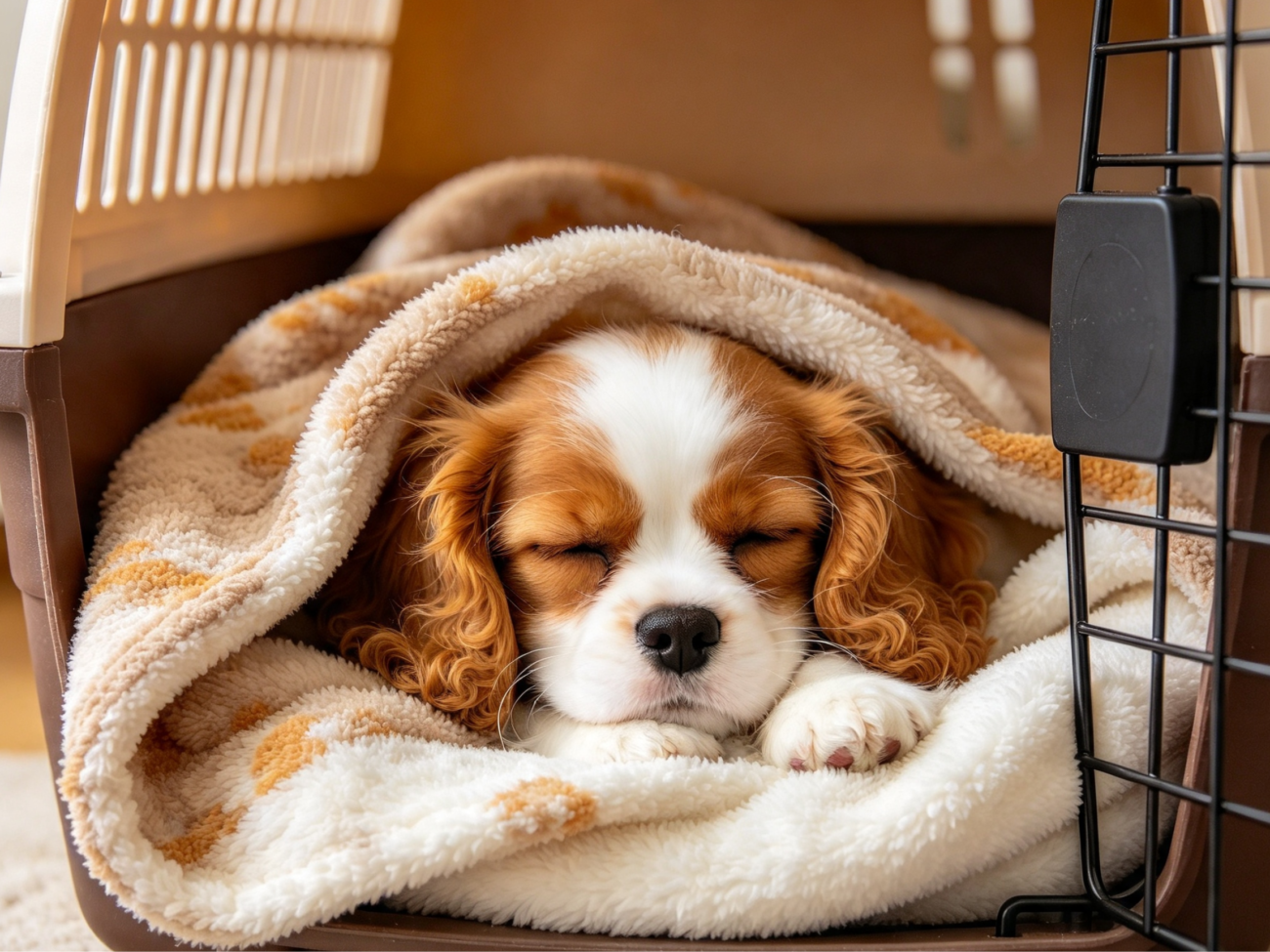
Crate training has a reputation problem. Some people picture it as a cage or a punishment, but when done right, a crate becomes your puppy’s favorite spot: a cozy, safe den where they can rest, recharge, and feel secure. It also makes house training easier, keeps your puppy safe when you can’t supervise, and helps them handle travel and vet visits with far less anxiety. The key is going slowly and making the crate a happy place. Here’s how to do it without tears (yours or theirs).
Why Crate Training Is Worth It
Dogs are natural den animals. In the wild, they seek out small, enclosed spaces where they feel protected. A properly introduced crate taps into that instinct. The benefits include:
- Faster house training. Puppies avoid soiling the area where they sleep, which helps them learn bladder control.
- Safety at home. A crate keeps your puppy away from electrical cords, shoes, and anything else they shouldn’t chew.
- A built-in quiet space. Your puppy always has a place to retreat when the house gets busy or overwhelming.
- Easier travel and vet visits. A crate-trained dog is far calmer in cars, hotels, and waiting rooms.
Choose the Right Crate
Size matters. The crate should be big enough for your puppy to stand up, turn around, and lie down comfortably, but not so large that they can use one corner as a bathroom.
- Wire crates offer good ventilation and visibility, and many come with dividers you can adjust as your puppy grows.
- Plastic crates feel more enclosed and den-like, and they’re often airline-approved for travel.
- Soft-sided crates are lightweight and convenient, but best for calm dogs who won’t chew or scratch.
If you’re buying for a puppy who will grow, choose a crate that fits their adult size and use a divider to shrink the space for now.
Set Up the Crate for Success
Place the crate in a spot where your puppy can still feel part of the family, such as the living room or a quiet corner of the kitchen. Add a soft blanket or bed, and toss in a safe chew toy. Covering part of a wire crate with a light blanket can make it feel more like a den, but leave one side open for airflow and visibility.
Avoid putting the crate in isolated areas at first. Puppies are social, and being shut away alone can increase anxiety.
Step-by-Step: How to Crate Train Your Puppy
1. Introduce the Crate Slowly
Leave the door open and let your puppy explore on their own. Toss a few treats near the entrance, then just inside, then toward the back. Let them walk in and out freely, with no pressure and no closing the door.
2. Feed Meals Inside the Crate
Start serving meals in the crate. At first, place the bowl near the entrance. Gradually move it further back as your puppy grows comfortable. Once they’re eating happily inside, you can close the door during the meal and open it as soon as they finish.
3. Build Up Time Gradually
Begin closing the door for a few seconds while your puppy is calmly chewing a toy or treat. Open it before they get restless. Slowly increase the time to a minute, then five, then ten. The goal is for your puppy to never feel trapped or panicked.
4. Practice While You’re Nearby
Sit next to the crate with the door closed, reading or scrolling on your phone. Then start leaving the room for short periods, returning before your puppy gets upset. This teaches them that being alone in the crate is safe and temporary.
5. Leave the House for Short Periods
Once your puppy is relaxed for 30 minutes or more with you in the house, try short outings. Keep departures and arrivals calm and low-key. Big emotional goodbyes and excited greetings can create anxiety.
6. Use It for Nighttime
Place the crate in your bedroom at first so your puppy can hear and smell you nearby. Young puppies will need a bathroom break during the night, so plan on a quiet, boring trip outside without playtime.
How Long Can a Puppy Stay in the Crate?
A general rule of thumb is one hour per month of age, plus one, up to a maximum of about four to five hours during the day. A two-month-old puppy can typically hold it for around three hours, while a four-month-old can manage closer to five. Nighttime is different, since puppies sleep more deeply, but young ones still need bathroom breaks.
Never leave a puppy in a crate all day. Long confinement leads to stress, frustration, and accidents. If you work long hours, arrange for a dog walker, a friend, or a midday break.
What to Do If Your Puppy Cries in the Crate
A little whining at first is normal. Here’s how to handle it:
- Check the basics. Make sure your puppy has gone outside recently, isn’t hungry, and isn’t too hot or cold.
- Wait for a pause. If you let them out while they’re crying, they’ll learn that crying opens the door. Wait for a brief moment of quiet, then let them out.
- Go back a step. If your puppy is very distressed, you may have moved too fast. Return to shorter sessions and easier exercises.
- Add comfort. A worn t-shirt with your scent, a safe chew toy, or a calming sound like soft music can help.
- Exercise beforehand. A tired puppy settles much more easily.
If your puppy is truly panicking, drooling excessively, or injuring themselves trying to escape, stop and consult a trainer or veterinarian. Some dogs have separation anxiety, which needs a different approach.
Common Mistakes to Avoid
- Using the crate as punishment. The crate should always feel like a safe, happy place. Never send your puppy there when you’re upset.
- Leaving them too long. Puppies have small bladders and big social needs.
- Rushing the process. Crate training takes days or weeks, depending on the dog.
- Making a fuss when leaving or returning. Stay calm so your puppy learns that alone time is no big deal.
- Forgetting exercise and play. A crate is not a substitute for attention, walks, and enrichment.
Final Thoughts
A crate doesn’t have to be a source of stress. With patience, treats, and a slow, positive approach, most puppies learn to love their crate and see it as their own private retreat. Keep it comfortable, keep it rewarding, and never rush. Before long, you may even find your dog choosing to nap in their crate with the door wide open.