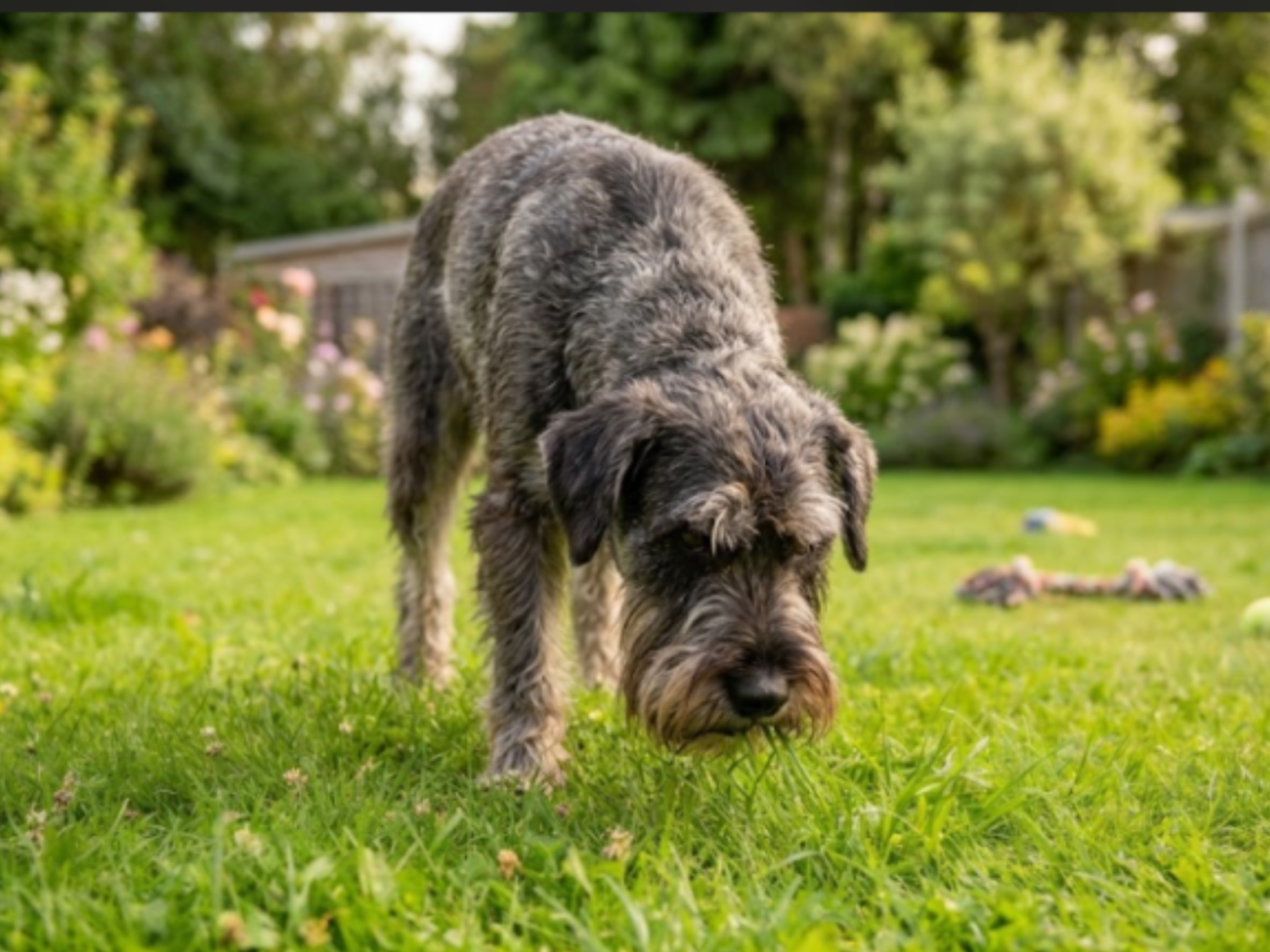
It is a familiar scene for almost every dog owner: you are out for a peaceful walk in the park or relaxing in the backyard, and suddenly your dog starts grazing on lawn grass like a cow. This common canine habit often leaves pet parents asking one primary question: why do dogs eat grass, and is it dangerous for their health?
While watching your carnivorous companion munch on fresh green lawn blades can seem strange or alarming, grass-eating (scientifically known as a form of pica) is actually one of the most common behaviors observed in domestic dogs. Studies suggest that up to 80% of dogs occasionally consume plants or grass.
In this comprehensive, deep-dive guide, we will explore the 5 primary reasons behind this intriguing behavior, break down whether it poses health risks, examine the psychological triggers, and explain exact steps to take if your dog’s grass-eating habits become excessive.
Table of Contents
What Science Says About Dogs Eating Grass
Before diving into the specific causes, it is essential to understand that domestic dogs are not obligate carnivores like cats. Canines are natural omnivores, meaning their digestive systems are built to process both animal products and plant material. Wild ancestors of dogs frequently consumed wild plants, berries, and the vegetative stomach contents of prey animals.
When pet owners wonder why do dogs eat grass, many assume it always indicates an immediate medical crisis or severe stomach pain. However, veterinary research indicates that less than 10% of dogs show signs of illness before eating grass, and fewer than 25% regularly vomit after eating it.
Furthermore, clinical observations show that dogs are just as likely to graze when feeling completely healthy as they are when feeling sick. Understanding this nuance helps pet parents distinguish between an innocent daily habit and an underlying medical condition requiring professional attention.
5 Primary Reasons Why Do Dogs Eat Grass
There is no single universal reason for grass-eating in canines. Instead, dogs chew on green pastures for a variety of physical, dietary, and behavioral reasons:
1. Digestive Upset and Natural Self-Medication
One of the most widely recognized answers to why do dogs eat grass is instinctively seeking relief from an upset stomach. When a dog experiences mild nausea, gas, bloating, or intestinal discomfort, they may search for coarse grass blades.
When swallowed, the long, rough fiber of unchewed grass tickles the throat and stomach lining. This physical sensation frequently triggers a gag reflex, prompting the dog to vomit up whatever was causing their gastric irritation. If your pet occasionally eats grass rapidly and vomits shortly after, they may simply be self-medicating a minor tummy ache.
2. Dietary Fiber Deficiencies
Modern commercial dog foods are engineered to provide complete nutrition, but some dogs still crave additional dietary fiber to keep their digestive systems running smoothly. Fiber helps regulate gut motility, aids in healthy stool formation, and supports overall digestive wellness.
If a dog’s diet is lacking in roughage, they may naturally seek out lawn grass as a supplementary fiber source. Switching to a higher-fiber kibble or introducing safe, fiber-rich human foods can often reduce this behavior. For instance, while we know that dogs can eat apples safely as a fibrous, nutritious treat (provided seeds and cores are removed), grass remains an easily accessible alternative for them outdoors.
3. Instinctual Behavior from Wild Ancestors
Long before dogs were domesticated and fed balanced kibble in bowls, their wild ancestors, such as wolves and wild canids, scavenged for survival. Wild dogs ate every part of their prey, including stomach contents filled with digested plant matter. Additionally, consuming grass helped wild canids purge internal parasites from their intestinal tracts, as the rough fibers wrapped around worms to carry them out of the body.
Modern dogs still carry these ancient evolutionary instincts. Therefore, when asking why do dogs eat grass, the simple answer may be that it is a deeply ingrained biological drive inherited from their wild ancestors.
4. Boredom, Stress, and Anxiety
Behavioral factors play a major role in how dogs act when left to their own devices. If a dog spends long hours alone in a yard without mental stimulation, physical outlets, or interactive toys, chewing on grass can become a soothing, self-rewarding ritual to pass the time.
Similarly, stressed or anxious dogs may turn to grazing as a coping mechanism. Just as anxious dogs might exhibit pacing or trembling—where owners must evaluate why is my dog shaking to determine underlying stress triggers—excessive grass-eating can manifest as a displacement behavior during periods of nervousness. Furthermore, dogs that spend extended hours home alone may develop compulsive habits; understanding how long can you leave a dog alone is crucial for preventing anxiety-driven behaviors like lawn grazing.
5. They Simply Enjoy the Taste and Texture
Not every dog behavior has a complex medical or psychological explanation. Sometimes, the answer to why do dogs eat grass is straightforward: they simply like how it tastes and feels!
Fresh spring grass is moist, sweet, and satisfyingly crunchy to chew on. Many dogs graze casually during outdoor walks purely for enjoyment, with no signs of illness, distress, or vomiting afterward.
Detailed Analysis: Pica vs. Normal Grazing
It is important for dog owners to understand the difference between casual lawn grazing and a behavioral disorder known as pica. Pica is the persistent craving and consumption of non-nutritive, non-food substances such as rocks, dirt, socks, plastic, or excessive amounts of plant material.
While occasional grass consumption is normal, obsessive grazing that occurs constantly throughout the day may indicate severe dietary deficiencies, metabolic disorders, or compulsive anxiety disorders. If your dog frantically consumes grass, weeds, and dirt without stopping, a complete veterinary evaluation is strongly recommended.
Is It Safe for Dogs to Eat Grass?
In general, eating grass itself is not inherently toxic or harmful to dogs. However, the environments where grass grows can harbor hidden dangers that pet owners must guard against:
- Pesticides and Chemical Fertilizers: Lawns treated with weed killers, chemical fertilizers, or insecticides pose a severe risk of toxic poisoning if ingested by pets.
- Intestinal Parasites: Public parks and shared lawns often contain microscopic parasite eggs (such as roundworms, hookworms, or Giardia) left behind by infected wildlife or other dogs.
- Toxic Garden Plants: Dogs grazing near flowerbeds may accidentally ingest toxic plants or garden bulbs alongside lawn grass.
- Fungal Toxins: Damp, decaying grass piles can grow mold containing mycotoxins, which can trigger tremors and severe neurological illness.
To ensure your dog’s safety, always verify health and safety guidelines from trusted veterinary authorities such as the American Veterinary Medical Association (AVMA).
5 Effective Ways to Stop Your Dog From Eating Grass
If your dog’s grass-eating habit is becoming excessive, destructive, or taking place on chemically treated lawns, here are practical, expert-backed steps to manage and reduce the behavior:
- Increase Physical and Mental Stimulation: Provide interactive puzzle toys, extra play sessions, and daily physical exercise to prevent boredom-induced grazing in the yard.
- Add Safe Fiber to Their Diet: Incorporate veterinarian-approved high-fiber treats or small portions of steamed vegetables (like green beans or pumpkin) into their daily meals.
- Redirect Outdoor Attention: Carry high-value training treats during walks to redirect your dog’s focus whenever they start nibbling on grass blades.
- Avoid Chemically Treated Lawns: Keep your dog strictly away from public parks, golf courses, or neighborhood yards that display pesticide treatment warnings.
- Maintain Routine Health Care: Keep up with regular grooming, physical exams, and dental maintenance. Just as consistent dog dental care preserves overall health and prevents systemic infections, routine wellness checks ensure your dog’s digestive system remains balanced.
When to See a Vet About Grass-Eating
While occasional grass grazing is completely normal, you should contact your veterinarian immediately if you notice any of the following warning signs:
- Severe, continuous, or non-stop vomiting after eating grass.
- Lethargy, weakness, or sudden loss of appetite.
- Diarrhea or visible blood in the stool.
- Persistent weight loss or obvious signs of abdominal pain (such as whining or posture changes).
- Compulsive, frantic attempts to consume large quantities of grass or soil continuously.
Final Thoughts on Why Do Dogs Eat Grass
Asking “why do dogs eat grass” is a natural concern for dedicated pet owners. In most cases, light grazing is a harmless, instinctual behavior rooted in evolutionary history, dietary preference, or a desire for extra fiber. By keeping your lawn chemical-free, keeping your dog mentally engaged, and monitoring for any accompanying illness symptoms, you can let your canine companion enjoy the outdoors safely.