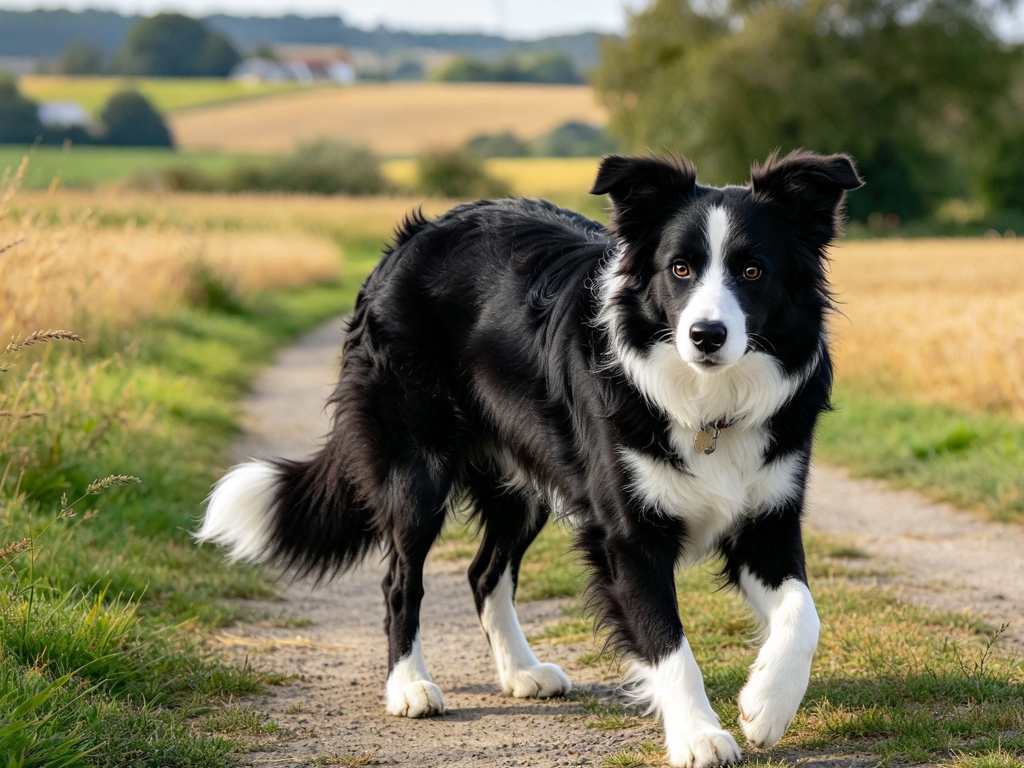
Complete Border Collie Breed Guide
Border Collie Breed Guide: Size, Temperament & Care
Welcome to our complete Border Collie breed guide. With its intense gaze, athletic build, and famous “herding eye,” the Border Collie is widely considered the most intelligent dog breed in the world. The breed was developed in the border region between Scotland and England to herd sheep over rough hills and long distances. In French, it is called the Border Collie. Today it dominates dog sports such as agility, obedience, and flyball, and it is a devoted companion for very active owners. If you are also interested in hound breeds, check out our Beagle breed guide.
Thinking about adopting one? Here’s what you should know.
How Big Is a Border Collie?
The Border Collie is a medium-sized, agile, and well-balanced breed.
- Height: 46-56 cm (18-22 in), with males slightly taller than females
- Weight: 12-20 kg (27-45 lb)
- Lifespan: 12-15 years
- Coat: Smooth (short) or rough (medium-length) double coat, in many colors and patterns, most often black and white, but also red, blue, merle, tricolor, and sable
- Eyes: Usually brown, but blue or one of each color is possible, especially in merle dogs
Personality: Smart, Driven, and Devoted
Border Collies are known for their sharp minds and intense work ethic.
- Extremely intelligent: They learn new commands in minutes and love solving problems.
- Energetic and athletic: They have enormous stamina and need a job to do.
- Loyal and affectionate: They bond closely with their family and love to be involved in everything.
- Herding instinct: They may stare, stalk, and nip at heels, and try to “herd” children, pets, and even cars.
- Sensitive: They respond badly to harsh training and can be easily stressed by noise or tension.
- Reserved with strangers: They are usually aloof rather than friendly with people they do not know.
- Needy for stimulation: They do not like being left alone for long hours and can become anxious or obsessive when bored.
Expect a dog that watches your every move, learns tricks in minutes, and will invent its own job (often chasing shadows or rounding up your family) if you do not give it one.
How to Take Care of a Border Collie
Feeding
Following a proper Border Collie breed guide for nutrition is essential…
Choose a high-quality food suited to their age and activity level. Very active or working Border Collies may need more calories. Feed 2 meals a day and avoid intense exercise around mealtimes. Measure portions to keep them lean.
Exercise
Following a Border Collie breed guide exercise schedule ensures your active dog gets enough daily workout.
This is an extremely active breed. Plan for at least 2 hours of exercise per day: running, hiking, fetch, frisbee, and structured activities such as agility, herding, or obedience. Mental stimulation is just as important, so add training games, puzzle toys, and new tricks. A bored Border Collie can become destructive, anxious, or obsessive.
Grooming
Maintaining a regular Border Collie breed guide grooming routine helps keep their coat shiny.
- Brush 2-3 times a week, and daily during shedding seasons. Border Collies shed moderately all year and heavily twice a year.
- Bathe only when needed.
- Check the feathering behind the ears and on the legs for mats, especially in rough-coated dogs.
- Clean ears, trim nails, and brush teeth regularly.
Temperature
Border Collies handle cold weather well thanks to their double coat, but they can overheat during hard exercise. Provide shade and fresh water, and exercise during cooler hours in summer.
Training and Socialization
Using a consistent Border Collie breed guide approach makes training this intelligent dog much easier.
Border Collies are extremely trainable, but they need a confident, consistent owner and plenty of stimulation. Start early with socialization: expose your puppy to many people, dogs, sounds, and places. Use positive reinforcement with treats, praise, and play, and keep sessions varied and engaging. Teach them not to nip at heels, not to chase moving objects, and to settle calmly at home. Their herding instinct means they thrive with a job, such as agility, herding, or trick training.
Common Health Issues
Border Collies are generally healthy, but the breed is prone to certain conditions:
- Hip and elbow dysplasia
- Eye problems (such as collie eye anomaly, progressive retinal atrophy, and cataracts)
- Epilepsy
- Deafness
- MDR1 gene mutation: A sensitivity to certain drugs, so always tell your vet about it
- Collie gene disorders (such as trapped neutrophil syndrome and neuronal ceroid lipofuscinosis)
- Hypothyroidism
- Osteochondritis dissecans (a joint condition)
- Obsessive and anxious behaviors when under-stimulated
Choose a responsible breeder who health-tests the parents (hips, elbows, eyes, and DNA tests for inherited conditions), and schedule regular vet check-ups.
Is a Border Collie Right for You?
A Border Collie could be perfect if you are very active, love outdoor adventures and dog sports, and can offer plenty of exercise, training, and mental challenges every day.
It may not be the best match if you are a first-time owner, live in a small apartment, are away for long hours, want a calm and low-energy dog, or have young children who could be nipped during herding.
Final Thoughts
Brilliant, loyal, and full of energy, the Border Collie is a fantastic companion for the right owner. With daily exercise, mental challenges, and plenty of affection, your Border Collie will be a devoted and entertaining partner for many years.
“We hope this Border Collie breed guide helps you decide if this energetic dog is right for you.”