Everything You Need to Know About This Elegant and Affectionate Little Companion
Pomeranian Breed Guide: Size, Temperament & Care Tips
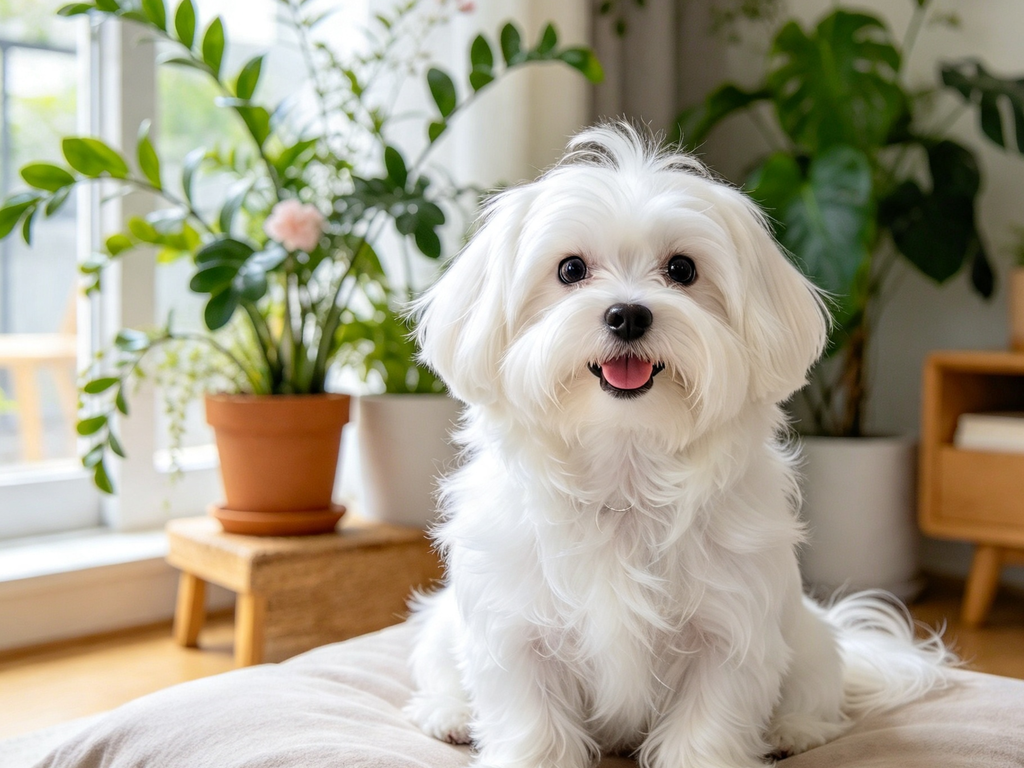
With its long, silky white coat, dark button eyes, and graceful walk, the Maltese is one of the oldest and most refined toy breeds in the world. Despite its name, the breed’s exact origins are debated, but it is linked to the Mediterranean island of Malta and has been a treasured companion of nobles and royalty for over 2,000 years. In French, it is called the Bichon maltais. It was bred purely for companionship, and it still excels at that role today.
Thinking about adopting one? Here’s what you should know.
How Big Is a Maltese?
The Maltese is a small, elegant, and well-balanced toy breed.
- Height: 20-25 cm (8-10 in)
- Weight: 2-4 kg (4-9 lb)
- Lifespan: 12-15 years
- Coat: Long, straight, silky, single-layer coat that is pure white (light ivory or lemon shading is sometimes allowed on the ears)
- Face: Dark round eyes, black nose, and drop ears covered with long hair
Personality: Gentle, Playful, and Devoted
Maltese dogs are known for their sweet and lively nature.
- Affectionate and loyal: They love to be close to their family and to snuggle on laps.
- Playful and lively: They are energetic, curious, and love a good game.
- Intelligent and eager to please: They learn quickly, especially tricks.
- Gentle and sociable: They usually get along with children, other pets, and visitors.
- Alert: They will let you know when someone is at the door, and they can be frequent barkers.
- Bold: They have a big-dog attitude in a tiny body.
- Needy for company: They do not like being left alone for long hours and can suffer from separation anxiety.
Expect a dog that follows you everywhere, loves attention, and is perfectly happy to be carried and cuddled.
How to Take Care of a Maltese
Feeding
Choose a high-quality food made for toy or small breeds, with small kibble that is easy to chew. Feed 2 to 3 small meals a day, since Maltese dogs can suffer from low blood sugar, especially as puppies. Measure portions carefully to prevent weight gain.
Exercise
Plan for 20 to 30 minutes of daily activity: short walks and indoor play. Maltese dogs are lively but small, so they do not need intense exercise. Mental stimulation, such as trick training and puzzle toys, keeps them happy.
Grooming
The coat is the biggest commitment of the breed.
- Brush daily to prevent mats and tangles, or keep the coat in a shorter “puppy cut” to make life easier.
- Have them professionally groomed every 4-6 weeks.
- Bathe every 1-3 weeks to keep the white coat clean.
- Clean the face and eye area daily with a soft damp cloth to prevent tear stains.
- Tie up the hair on top of the head so it does not irritate the eyes.
- Check and clean the ears regularly, and remove excess hair inside the ear canal if advised by a groomer or vet.
- Trim nails and brush teeth daily if possible, since dental problems are very common.
Temperature
Maltese dogs get cold easily because they have no undercoat, so a coat or sweater helps in winter. They can also overheat in high temperatures, so provide shade, fresh water, and a cool room in summer.
Training and Socialization
Maltese dogs are intelligent and eager to please, but they can be stubborn and noisy. Start early with socialization and basic obedience. Use positive reinforcement with treats and praise, and keep sessions short and fun. Teach a “quiet” command to control barking. Housetraining can take time and patience, so be consistent and use a routine. Do not let “small dog syndrome” develop: set clear rules and boundaries. Use a harness rather than a collar to protect their delicate trachea.
Common Health Issues
Maltese dogs are generally healthy, but the breed is prone to certain conditions:
- Dental disease
- Patellar luxation (dislocating kneecap)
- Tracheal collapse
- Hypoglycemia (low blood sugar)
- Eye problems (such as dry eye, tear staining, and progressive retinal atrophy)
- Heart conditions (such as mitral valve disease)
- Liver shunt (a blood vessel abnormality)
- White shaker dog syndrome (a tremor condition)
- Hypothyroidism
- Skin allergies
Choose a responsible breeder who health-tests the parents (heart, eyes, knees, and liver), and schedule regular vet check-ups. Keep vaccinations and parasite prevention up to date.
Is a Maltese Right for You?
A Maltese could be perfect if you want a gentle, loyal, and small companion, live in an apartment, and can commit to regular grooming.
It may not be the best match if you have very young children (the dog is fragile and can be injured easily), are away for long hours, want a very quiet dog, or want a low-maintenance coat.
Final Thoughts
Elegant, affectionate, and full of charm, the Maltese is a joyful companion that brings a huge heart to a tiny package. With daily grooming, dental care, and lots of love, your Maltese will be a loyal friend for many years.
A quick note : while Maltese dogs shed very little and are often described as “hypoallergenic,” no dog is completely allergen-free, and people with allergies should spend time with the breed first.