Everything You Need to Know About This Gentle Giant
Great Dane Breed Guide: Size, Temperament & Care Tips
With its towering height, elegant build, and sweet nature, the Great Dane is one of the most impressive dogs in the world. Despite its name, the breed was developed in Germany, where it was bred centuries ago to hunt wild boar. It is often called the “Apollo of dogs” for its noble look. In French, it is called the Dogue allemand. Today it is best known as a calm, affectionate giant that is often surprised to find out it is not a lap dog.
Thinking about adopting one? Here’s what you should know.
How Big Is a Great Dane?
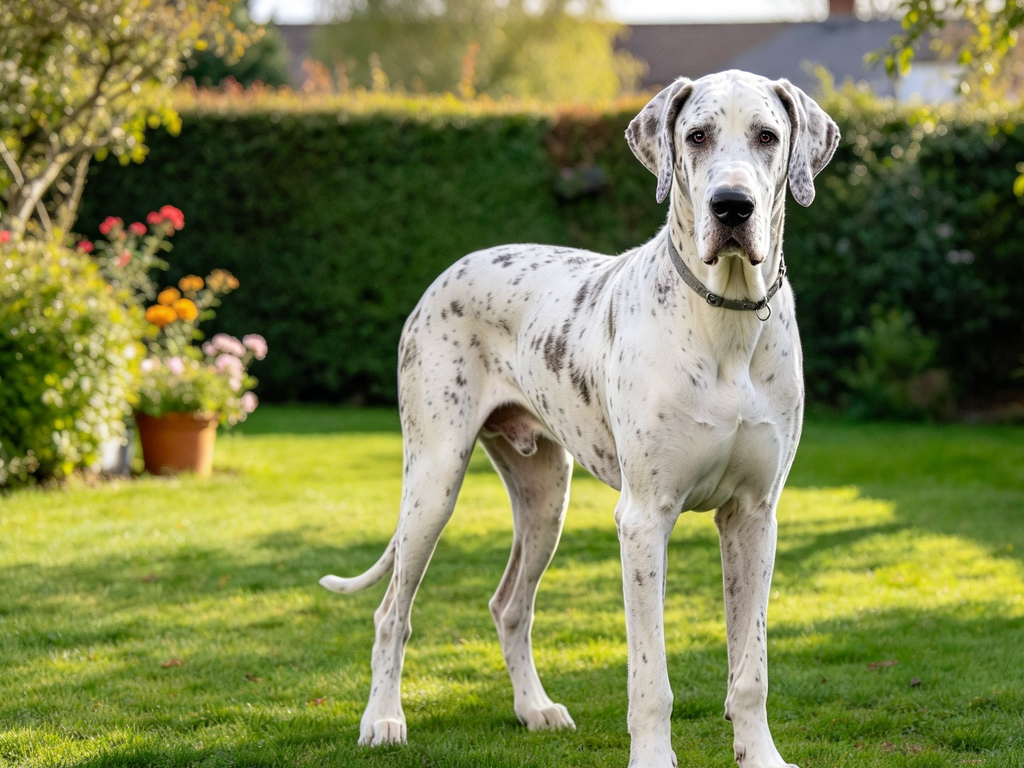
The Great Dane is one of the tallest dog breeds in the world.
- Height: 71-86 cm (28-34 in) at the shoulder, with males taller than females
- Weight: 45-90 kg (100-200 lb)
- Lifespan: 7-10 years
- Coat: Short, smooth, and glossy, in fawn, brindle, blue, black, harlequin (white with black patches), or mantle (black with a white chest and collar)
- Ears and tail: Naturally floppy ears and a long tail. Ear cropping is banned in many countries, including France and the United Kingdom.
Personality: Gentle, Affectionate, and Patient
Great Danes are known for their sweet and easygoing nature.
- Gentle and affectionate: They bond closely with their family and love to lean on their people.
- Calm and patient: They are usually relaxed indoors and often called “couch potatoes”.
- Friendly and sociable: They are generally good with children, other dogs, and even strangers.
- Sensitive: They respond badly to harsh training and can be easily stressed.
- Protective: Their size alone is a deterrent, and they will alert you to visitors.
- Playful: Many stay goofy and puppy-like for years.
- Needy for company: They do not like being left alone for long hours.
Expect a dog that thinks it is a lap dog, follows you from room to room, and can clear a coffee table with one wag of its tail.
How to Take Care of a Great Dane
Feeding
Choose a high-quality giant-breed food suited to their age. Giant-breed puppy food is essential, as it helps control growth speed and protects developing bones and joints. Feed 2 to 3 meals a day rather than one large meal, and avoid exercise right before or after eating, since the breed is at high risk of bloat. Raised bowls are no longer recommended by many vets, so ask yours for advice.
Exercise
Plan for about 1 hour of exercise per day: walks and gentle play. Great Danes do not need extreme activity, but they do need regular movement to stay healthy. Avoid intense exercise, jumping, and long runs during puppyhood to protect growing joints. Mental stimulation, such as training and sniffing games, is also important.
Grooming
- Brush weekly with a rubber brush or grooming mitt. Great Danes shed moderately all year round.
- Bathe only when needed.
- Wipe drool as needed, especially after drinking.
- Clean ears, trim nails, and brush teeth regularly. Strong, well-trimmed nails are especially important for such a heavy dog.
Temperature
Great Danes have a thin coat and little body fat, so they get cold easily. Provide a warm bed and a coat in cold weather. They can also overheat in high temperatures, so offer shade and fresh water in summer.
Space and Comfort
Give your Great Dane a large, orthopedic bed to protect its joints and prevent pressure sores. Make sure your home has enough space and non-slip flooring, and remember that everything on a low table is within reach.
Training and Socialization
Great Danes are eager to please, but they need training early, because a 70 kg adult who pulls on the leash or jumps on people is a big problem. Start socialization in puppyhood with many people, dogs, and places. Use positive reinforcement with treats and praise, keep sessions short and fun, and never use harsh methods. Teach leash manners, a reliable recall, and not to jump on people from the very beginning.
Common Health Issues
Great Danes are prone to several serious conditions:
- Bloat (gastric dilatation-volvulus), a life-threatening emergency
- Dilated cardiomyopathy (DCM), a serious heart disease
- Hip dysplasia
- Wobbler syndrome (a spinal condition in the neck)
- Bone cancer (osteosarcoma)
- Eye problems (such as cherry eye and entropion)
- Hypothyroidism
- Skin problems and allergies
- Cruciate ligament injuries
- Deafness in white or harlequin Great Danes
Choose a responsible breeder who health-tests the parents (heart, hips, and thyroid), and schedule regular vet check-ups. Learn the signs of bloat (swollen belly, unproductive retching, restlessness, drooling), and go to the vet immediately if you see them. Giant breeds have a shorter lifespan, so early detection matters.
Is a Great Dane Right for You?
A Great Dane could be perfect if you want a gentle, affectionate giant, have enough space and budget, and can provide company, training, and regular exercise.
It may not be the best match if you live in a very small home, are away for long hours, have a tight budget (food, vet care, and medication cost more for giant breeds), dislike drool and hair, or cannot lift a large dog in an emergency.
Final Thoughts
Kind, calm, and endlessly loving, the Great Dane is a gentle giant that brings a big presence and a big heart to family life. With early training, careful feeding, and regular vet care, your Great Dane will be a loyal and loving friend for the years you share.