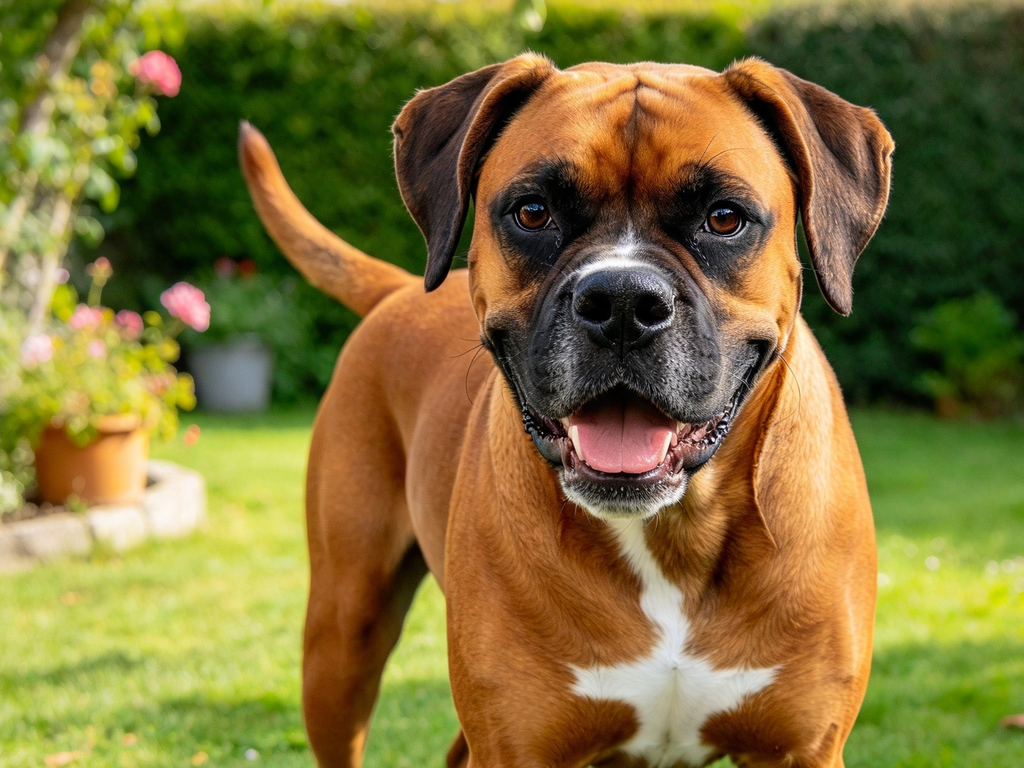
Complete Boxer Breed Guide
Welcome to our complete Boxer breed guide. With its square muzzle, athletic build, and endless enthusiasm, the Boxer is one of the most lovable dogs in the world. The breed was developed in Germany in the late 19th century from the now-extinct Bullenbeisser and the Bulldog. It was first used to hold big game and later became a working dog for the police, the military, and as a guide dog. In French, it is called the Boxer or Boxer allemand. Its name likely comes from the way it uses its front paws when playing, as if it were boxing. If you are also interested in friendly small dogs, check out our Boston Terrier breed guide.
Thinking about adopting one? Here’s what you should know.
How Big Is a Boxer?
The Boxer is a medium-to-large, muscular, and athletic breed.
- Height: 53-63 cm (21-25 in), with males taller than females
- Weight: 25-32 kg (55-70 lb)
- Lifespan: 10-12 years
- Coat: Short, smooth, and shiny, in fawn or brindle, often with white markings (called “flashy”), and sometimes fully white
Personality: Playful, Loyal, and Protective
Boxers are known for their exuberant and affectionate nature.
- Playful and energetic: They stay puppy-like for years, often until age 3 or 4.
- Loyal and affectionate: They bond closely with their family and love to be near their people.
- Great with children: They are patient, protective, and lively playmates, though their size and enthusiasm call for supervision with toddlers.
- Alert and protective: They are naturally watchful and make good guard dogs.
- Intelligent but stubborn: They learn quickly, but they can be willful and easily distracted.
- Clownish: They love to entertain and often “wiggle” with joy.
- Needy for company: They do not like being left alone for long hours.
- Reserved with strangers: They are usually friendly once they have decided a person is safe.
Expect a dog that follows you from room to room, snores, and greets you with a full-body wiggle.
How to Take Care of a Boxer
Feeding
Following a proper Boxer breed guide for nutrition is essential…
Choose a high-quality food suited to their age and activity level. Large-breed puppy food supports healthy growth. Boxers can gain weight, so measure portions and limit treats. Feed 2 meals a day and avoid intense exercise around mealtimes to reduce the risk of bloat.
Exercise
Following a Boxer breed guide exercise schedule ensures your active dog stays healthy.
This is a very active breed. Plan for 1 to 2 hours of exercise per day: walks, running, fetch, and play. Mental stimulation, such as training, puzzle toys, and dog sports, is just as important to prevent boredom and destructive behavior. Avoid hard exercise in hot weather.
Grooming
Maintaining a regular Boxer breed guide grooming routine keeps their coat sleek.
- Brush weekly with a rubber brush or grooming mitt. Boxers shed lightly to moderately all year round.
- Bathe only when needed.
- Wipe facial folds and drool as needed.
- Clean ears, trim nails, and brush teeth regularly.
Temperature
Because of their short muzzle, Boxers overheat easily and can struggle in humid or hot weather. Provide shade, fresh water, and cool rest areas, and never leave them in a car. Their thin coat also means they get cold quickly, so a coat helps in winter.
Training and Socialization
Using a consistent Boxer breed guide approach helps with early training.
Boxers are smart but can be strong-willed and easily distracted, so start training early. Socialize your puppy with many people, dogs, and places. Use positive reinforcement with treats and play, keep sessions short, fun, and varied, and be consistent. Because Boxers are strong and bouncy, teach them not to jump on people and not to pull on the leash. Harsh methods do not work well with this sensitive breed.
Common Health Issues
Boxers are generally sturdy, but the breed is prone to certain conditions:
- Cancer (including lymphoma, mast cell tumors, and brain tumors)
- Heart conditions (such as boxer cardiomyopathy and subaortic stenosis)
- Hip dysplasia
- Bloat (gastric dilatation-volvulus)
- Breathing difficulties and heat sensitivity (due to the short muzzle)
- Degenerative myelopathy
- Hypothyroidism
- Skin allergies
- Corneal ulcers and other eye problems
- Deafness in white Boxers
Choose a responsible breeder who health-tests the parents (heart, hips, and thyroid), and schedule regular vet check-ups. Boxers have a shorter lifespan than many breeds, so early detection matters.
Is a Boxer Right for You?
A Boxer could be perfect if you want a fun, loyal, and energetic family dog, enjoy an active lifestyle, and can offer plenty of exercise and company.
It may not be the best match if you live in a very hot climate, are away for long hours, dislike drool and snoring, want a calm and quiet dog, or have very young children and cannot supervise play.
Final Thoughts
Goofy, devoted, and full of life, the Boxer is a joyful companion that keeps the whole family smiling. With plenty of exercise, patient training, and regular vet care, your Boxer will be a loving and protective friend for many years.
“We hope this Boxer breed guide helps you decide if this dog is right for you.”