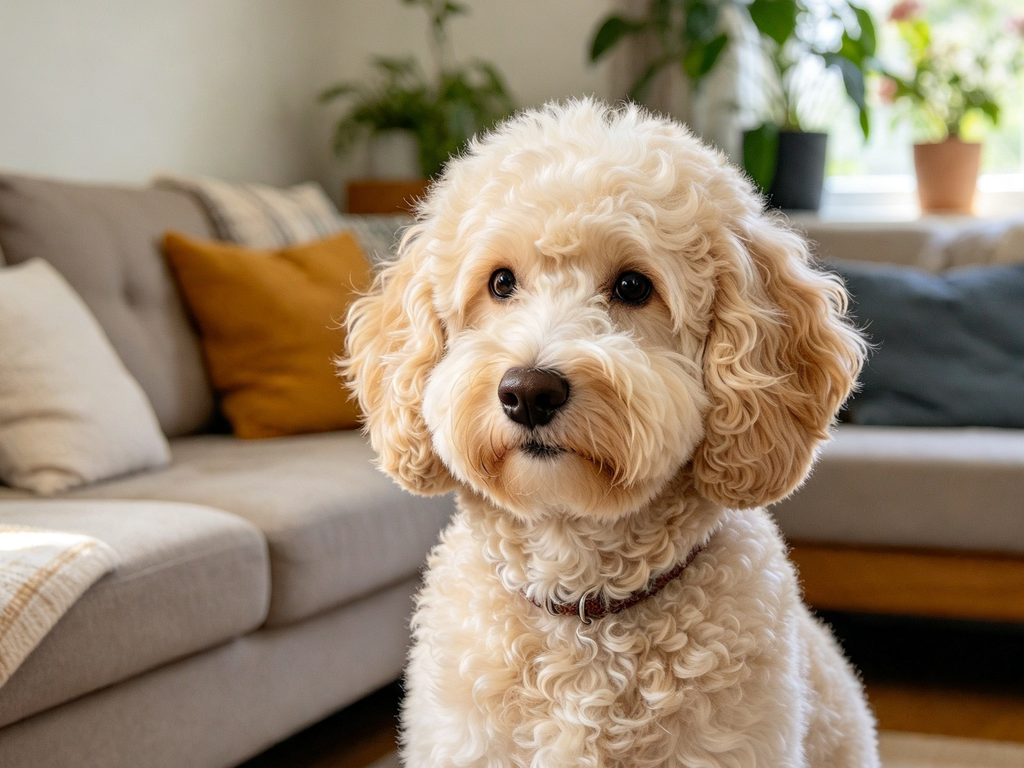
Everything You Need to Know About This Smart and Elegant Companion
Poodle Breed Guide: Sizes, Temperament & Care Tips
With its curly coat, graceful walk, and sharp intelligence, the Poodle is far more than the show-ring star many people picture. The breed was originally developed in Germany as a water retriever (its name comes from the German Pudel, meaning “splashing in water”), but it became the national dog of France, where it is known as the Caniche. Today it is admired as one of the smartest, most trainable, and most versatile breeds in the world.
Thinking about adopting one? Here’s what you should know.
How Big Is a Poodle?
The Poodle comes in three official sizes, all with the same temperament and traits.
- Standard: Over 45 cm (18 in) tall, 20-32 kg (45-70 lb)
- Miniature: 28-35 cm (11-14 in) tall, 5-9 kg (10-20 lb)
- Toy: Under 28 cm (11 in) tall, 2-4 kg (4-9 lb)
- Lifespan: 12-15 years (Standard), 14-18 years (Miniature and Toy)
- Coat: Dense, curly, and low-shedding, in solid colors such as black, white, apricot, brown, silver, gray, and red
Personality: Clever, Lively, and Loyal
Poodles are known for their brains as much as their looks.
- Highly intelligent: Often ranked among the top two or three smartest breeds.
- Eager to please: They learn quickly and love having a job to do.
- Affectionate and loyal: They bond closely with their family.
- Playful and energetic: Especially the Standard, which was bred to work.
- Sensitive: They respond badly to harsh training or a tense home.
- Alert: They make good watchdogs and can be barkers if bored.
- Reserved with strangers: Usually polite, but sometimes shy without socialization.
A Poodle thrives on interaction and can become anxious or destructive if left alone too long.
How to Take Care of a Poodle
Feeding
Choose a high-quality food suited to their size and age. Toy and Miniature Poodles do well on small-breed formulas, while Standards benefit from a diet suited to medium-to-large dogs. Measure portions to prevent weight gain, and feed Standards 2 meals a day to reduce the risk of bloat.
Exercise
- Standard: 1 hour or more of daily activity, including walks, swimming, and fetch.
- Miniature: About 45 minutes.
- Toy: 20-30 minutes, plus indoor play.
Mental stimulation, such as trick training, puzzle toys, and dog sports like agility, is essential for all sizes.
Grooming
Poodles shed very little, but their coat needs serious upkeep.
- Brush every day or every other day to prevent mats and tangles.
- Have them professionally groomed every 4-6 weeks.
- Clean the ears regularly and pluck excess ear hair if advised by a groomer or vet, since ear infections are common.
- Trim nails and brush teeth often. Dental problems are frequent, especially in Toys.
- Wipe the tear stains around the eyes if needed.
Temperature
Poodles tolerate most climates, but short clips leave them exposed to cold, so a coat helps in winter. Provide shade and water in summer.
Training and Socialization
Poodles are among the easiest breeds to train, but they need variety, or they get bored. Start early with socialization and obedience. Use positive reinforcement, keep sessions short and creative, and avoid harsh corrections. Housetraining can take more patience with Toys. Don’t let a small Poodle get away with behaviors you wouldn’t allow in a big one.
Common Health Issues
Poodles are generally healthy, but health risks vary by size:
- Hip dysplasia (mainly Standard)
- Bloat (mainly Standard)
- Progressive retinal atrophy and cataracts
- Patellar luxation (mainly Miniature and Toy)
- Dental disease (mainly Toy)
- Addison’s disease and Cushing’s disease
- Sebaceous adenitis (a skin condition, mainly Standard)
- Epilepsy
- Ear infections
- Legg-Calvé-Perthes disease (mainly Toy)
Choose a responsible breeder who health-tests the parents, and schedule regular vet check-ups.
Is a Poodle Right for You?
A Poodle could be perfect if you want a smart, trainable, low-shedding companion, enjoy interacting with your dog daily, and can commit to regular grooming.
It may not be the best match if you are away for long hours, want a low-maintenance coat, dislike barking, or don’t have time for training and mental stimulation.
Final Thoughts
Elegant, clever, and endlessly devoted, the Poodle is a dog that shines in any size. With daily brushing, regular grooming, and plenty of mental challenges, it will be a joyful and loyal companion for many years.
A quick note : While Poodles shed very little and are often described as “hypoallergenic,” no dog is completely allergen-free, and people with allergies should spend time with the breed first.