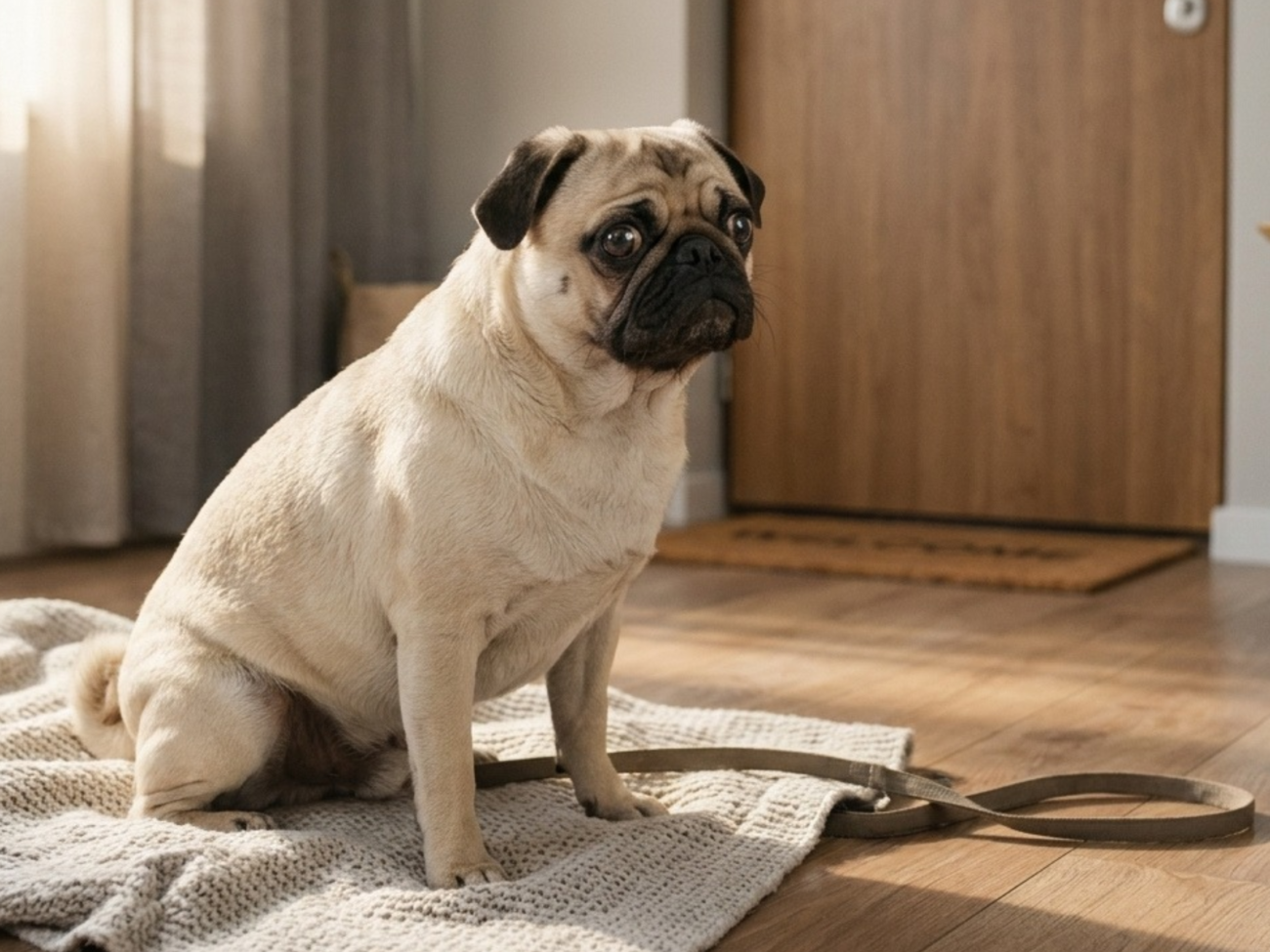
Leaving your pet home alone should be stress-free for both of you. However, separation anxiety in dogs is one of the most common behavioral challenges pet parents encounter today. When left alone, dogs suffering from separation distress often bark excessively, chew household items, or pace nervously.
Learning how to handle separation anxiety in dogs through structured training techniques helps your canine companion feel safe, confident, and calm when you leave the house.
Table of Contents
What Causes Separation Anxiety in Dogs?
Separation distress occurs when a pet becomes overly attached to their owner and experiences severe fear during isolation. Understanding the root causes of separation anxiety in dogs is the first step toward effective treatment. Common triggers include:
- Changes in Daily Routine: Sudden shifts in work schedules or family presence.
- Moving to a New Environment: Relocating can trigger feelings of insecurity.
- Lack of Early Independence Training: Puppies that aren’t gradually taught to enjoy alone time.
- Past Trauma: Rescue pets that have experienced rehoming or abandonment.
5 Effective Steps for Dealing with Separation Anxiety in Dogs
Step 1: Desensitize Departure Triggers
Dogs are expert observers. They quickly associate actions like grabbing your keys, putting on your coat, or picking up a bag with your departure. This causes their stress levels to rise before you even step outside.
To break this pattern, practice picking up your keys or putting on your coat without actually leaving. Sit back down on the couch or make a cup of coffee. Repeating this removes the fear associated with these cues.
Step 2: Create a Safe and Comforting Space
Designate a comfortable area where your pet feels completely secure. Include a cozy bed, a piece of clothing with your scent, and engaging puzzle toys. Providing mental stimulation keeps their focus on positive rewards rather than your absence.
Maintaining consistency in daily care is vital for an anxious pet’s emotional balance. Just like maintaining regular dog dental care, establishing a predictable daily routine builds long-term confidence and security.
Step 3: Practice Low-Key Departures and Arrivals
Avoid emotional goodbyes or overly enthusiastic greetings when you return home. Keeping exits and entrances calm teaches your pet that your coming and going is a completely normal daily event. Ignore your dog for a couple of minutes upon arriving until they are relaxed before giving gentle attention.
Step 4: Build Independence Gradually
Start by practicing short periods of separation while you are still inside the house. Use baby gates to restrict access to the room you are in for a few minutes at a time. Gradually increase the distance and duration, rewarding calm behavior with praise or treats.
Step 5: Provide Physical Exercise Before Leaving
A tired dog is a calm dog. Engaging your pet in a vigorous walk, game of fetch, or exercise session right before you depart burns off excess energy. This increases the likelihood that your pet will sleep peacefully while you are away.
Common Misconceptions About Separation Distress
Destructive behavior caused by isolation stress is never done out of spite. Punishment should never be used, as it only increases fear and worsens separation anxiety in dogs. Positive reinforcement and gentle desensitization are the most effective solutions.
For reliable health guidelines and behavioral advice, consulting certified specialists through official organizations like the American Veterinary Medical Association (AVMA) can help you create a personalized plan.
Final Thoughts on Separation Anxiety in Dogs
Overcoming separation anxiety in dogs requires patience, consistency, and positive reinforcement. Knowing how to handle separation anxiety in dogs ensures a happier, healthier life for your beloved companion.